ASX braces for shock as Trump imposes 15% tariff
The Australian sharemarket is facing a turbulent Feb. 23 opening after US President Donald Trump bypassed a US Supreme Court setback to impose a 15% universal tariff on all imports.
The Australian sharemarket is facing a turbulent Feb. 23 opening after US President Donald Trump bypassed a US Supreme Court setback to impose a 15% universal tariff on all imports.

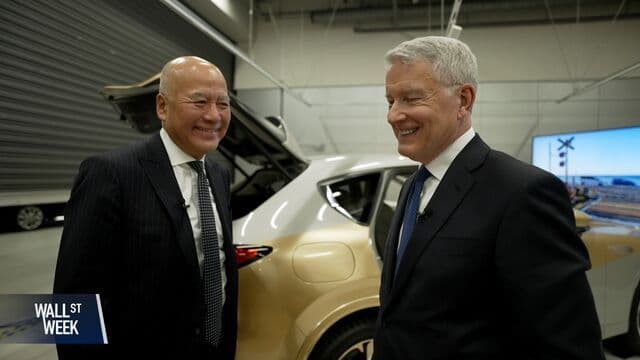
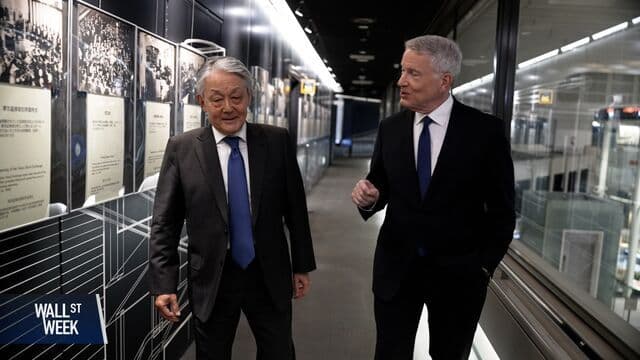
Sony CEO Hiroki Totoki speaks to David Westin on Wall Street Week about the company's funding options for its acquisition plans.
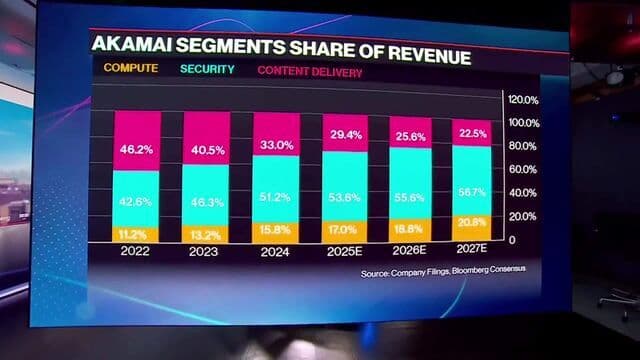
Dr. Tom Leighton, CEO and co-founder of Akamai Technologies, says the company's security business is resilient to AI disruption and that rising enterprise adoption of AI and SaaS is boosting demand for its infrastructure. He speaks with Romaine Bostick and Katie Greifeld on "The Close."
Paramount Skydance said it has "no statutory impediment" in the US to closing its proposed $77.9 billion acquisition of Warner Bros. Discovery Inc. after clearing a US antitrust hurdle. Paramount said Friday it has complied with the US Justice Department's second-request review process under the Hart-Scott-Rodino Act and that a 10-day waiting period expired on Thursday. The expiration of a waiting period doesn't tacitly imply that regulators are on board with a deal. The department in the past has sued to block mergers after the waiting period passed. Bloomberg Intelligence Senior Antitrust Litigation Analyst Jen Rie and Chris Palmeri, Bloomberg News Senior Editor and Entertainment Team Leader, join Bloomberg Businessweek Daily to discuss. They speak with Carol Massar and Emily Graffeo.
Matt Shumer, AI entrepreneur and investor, discusses the economic and labor-market implications of advanced AI models. He speaks with Romaine Bostick and Katie Greifeld on "The Close."
US inflation was higher in December, with core PCE rising 0.4% month-over-month and 3% year-over-year. The Federal Reserve's preferred inflation gauge suggesting that reining in higher prices is proving to be more difficult than anticipated for the FOMC. Policymakers at their January meeting said they'd like clearer evidence that inflation is returning to their 2% goal, but Friday's December data suggests they will have to maintain a "wait-and-see" approach. Olu Sonola, Head of US Economic Research at Fitch Ratings, joins Bloomberg Businessweek Daily to discuss. He also weighs in on GDP and the potential economic impact of President Trump's tariffs being struck down by the Supreme Court. Sonola speaks with Carol Massar and Emily Graffeo.
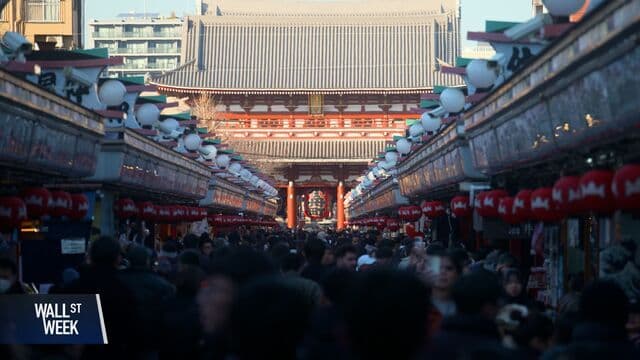
For more than 30 years, Japan's economy was defined by deflation, negative interest rates, and economic stagnation. Now inflation has returned, corporate governance reforms are gaining traction, and investors are taking a fresh look at Japanese markets. We speak with Apollo CEO Marc Rowan, Japan Exchange Group CEO Hiromi Yamaji, and Mireya Solís of the Brookings Institution to examine whether Japan is finally breaking free from the so-called 'lost decades,' and what could derail the comeback.
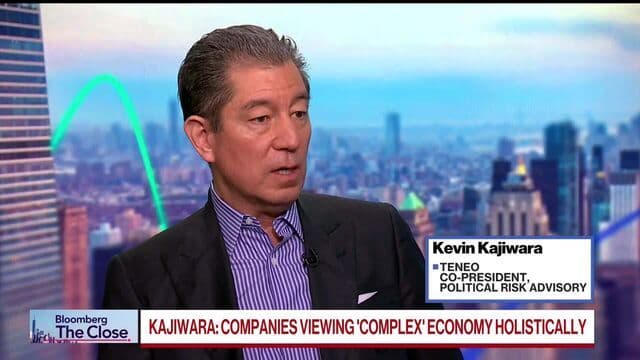
Kevin Kajiwara, Co-President of Political Risk Advisory at Teneo, says while tariffs have already weighed on corporate income statements and balance sheets, the ruling adds a new layer of market uncertainty. He speaks with Romaine Bostick and Katie Greifeld on "The Close."
After decades of economic conservatism and cash hoarding, Japanese corporations are putting reform into practice. Spin-offs are accelerating, capital structures are shifting, and private capital is stepping in to finance transformation. From Panasonic Automotive's carve-out under Apollo to Sony's pivot from electronics to entertainment, Japan's corporate leaders are embracing a new model for long-term competitiveness.
After decades of deflation and stagnation, Japan is embracing reform. With households and corporations sitting on trillions in cash, inflation has forced a shift in mindset. Corporate governance changes, rising equity participation, and the emergence of private credit are reshaping how Japanese companies finance growth. We examine whether the renaissance of Japan's capital markets can power a long-awaited economic revival.
For decades, Japan's corporate identity was seen by many to be characterized by lifetime employment, keiretsu networks, and cautious capital allocation. Now, inflation, market reform, and investor pressure are forcing change. Leaders at Sony, Panasonic Automotive, and the Tokyo Stock Exchange are rethinking the way they do business.. But as Mireya Solís and Apollo's Eiji Ueda explain, transforming balance sheets may be easier than transforming culture.
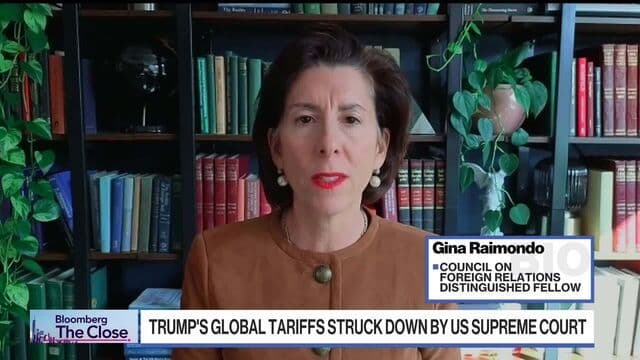
Former U.S. Secretary of Commerce Gina Raimondo discusses the recent U.S. Supreme Court decision striking down global tariffs implemented during the Trump administration. She speaks with Romaine Bostick and Katie Greifeld on "The Close."