CryptoBreaking News

Bloomberg

Anthropic's Amodei on Pros and Cons of an AI Startup IPO

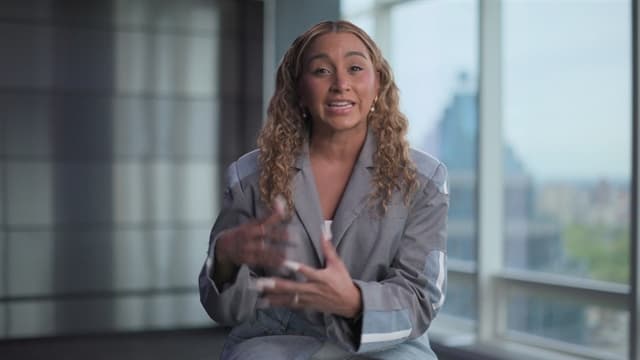
Daniela Amodei, president and co-founder at Anthropic, said the company's confidential IPO filing "gives us the option to potentially go public after the SEC review," but is not able to say anything more IPO-related. She also discusses the pros and cons of going public for an AI startup. She speaks at the Bloomberg Tech Conference 2026 in San Francisco.

Read more: Anthropic's Amodei on Pros and Cons of an AI Startup IPO
Bloomberg

Fed's Daly Says Forward Guidance Could Be Misleading

Federal Reserve Bank of San Francisco President Mary Daly says monetary policy is in a good place, but there's too much uncertainty ahead. She's also bullish on artificial intelligence, but has seen no proof yet that it leads to productivity gains. Daly speaks on "Bloomberg Tech" from the Bloomberg Tech conference in San Francisco.

Read more: Fed's Daly Says Forward Guidance Could Be Misleading
Bloomberg

AI Adoption High, but 'Incredibly Shallow' Says Dr. Rebecca Homkes

Employees across industries continue to adopt AI tools at a rapid rate, yet the technology's impact on productivity and efficiency can be uneven and muddled. Dr. Rebecca Homkes, economist and lecturer at the London Business School, discusses the impact of AI adoption on the global economy and just how companies are using the technology to their advantage.

Read more: AI Adoption High, but 'Incredibly Shallow' Says Dr. Rebecca Homkes
Bloomberg

Puget CEO Says Climate Costs 'Unfortunately' Get Passed to Customers

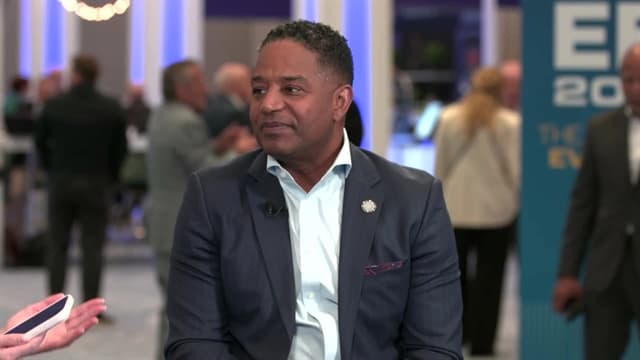
Puget Sound Energy CEO Mary Kipp says that wildfires and Washington state's aggressive clean energy policies have led to higher costs to customers. Kipp spoke with Bloomberg's Tyler Kendall on the sidelines of the Edison Electric Institute 2026 Conference in Las Vegas.

Read more: Puget CEO Says Climate Costs 'Unfortunately' Get Passed to Customers
Bloomberg

Trump Unveils New Tariff Plan for Trade Partners

The US is proposing new tariffs of at least 10% on imports from most major trading partners, citing forced-labor practices.  The 10% rate would apply to partners who prohibit forced labor imports, such as Canada, Mexico, the EU, Taiwan, and the UK. Ryan Majerus, Partner: International Trade Team at King & Spalding, discusses the path ahead for tariffs, Section 301 investigations, and where refunds stand.

Read more: Trump Unveils New Tariff Plan for Trade Partners