Zepp Health Q1 revenue jumps 34% as premium watch shift trims losses

Zepp Health (NYSE:ZEPP) reported a 33.8% increase in first-quarter revenue for fiscal year 2026, driven by robust momentum from its updated premium hardware portfolio during what is traditionally a softer seasonal cycle for consumer electronics.
The global smart wearables manufacturer generated unaudited net revenues of US$51.5 million for the three-month period.
Gross margin expanded slightly to 37.7% compared to 37.3% in the first quarter of fiscal 2025, demonstrating operational resilience against recent price inflections for memory components and storage chips.
The top-line expansion helped thin the company's bottom-line deficit, with its adjusted operating loss narrowing to US$16.3 million and its adjusted net loss landing at US$17.9 million.
The company closed the quarter with cash, restricted cash, and short-term investments totaling US$103.2 million.
Efficient inventory management allowed total on-hand stock values to drop to US$62.8 million, even as the corporate procurement team executed strategic upstream component purchases to protect against broader supply chain volatility.
The quarterly performance was anchored by an aggressive product launch calendar under the company's flagship Amazfit brand.
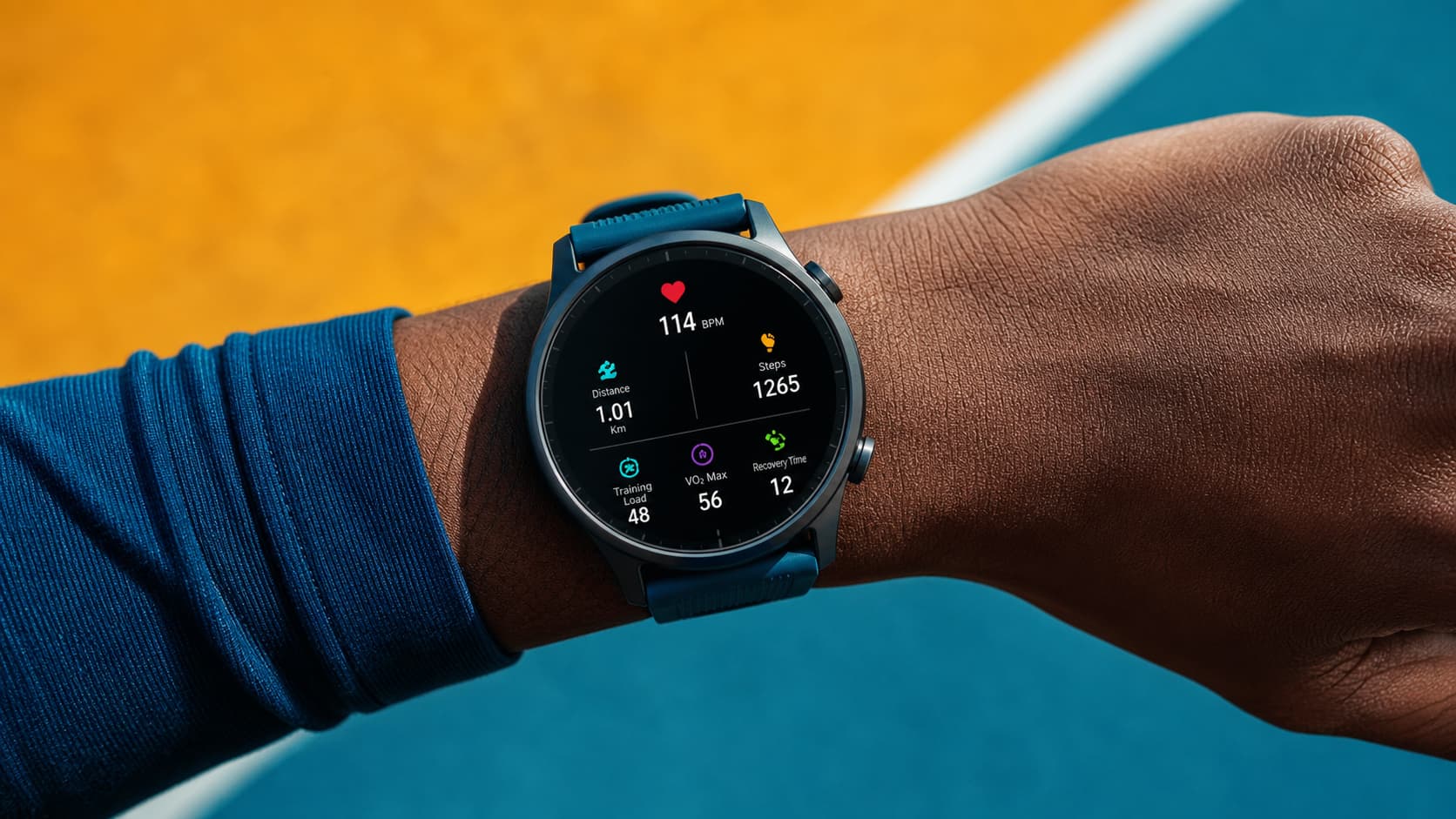
Zepp Health introduced several high-tier models to the market, including the Amazfit Balance 3, Balance 3 Ultra, Bip Max, and Cheetah 2 smartwatches.
To bolster its market position in the high-end fitness sector, the company converted its multi-sport collaboration with the global fitness racing series HYROX into an exclusive three-year global partnership, intending to embed athletic training metrics deeper into its software ecosystem.
For the second quarter of 2026, corporate management issued revenue guidance between US$63 million and US$68 million.
The forward-looking outlook reflects an implied year-over-year revenue expansion of approximately 6% to 14%, reinforcing executive expectations that a focus on premiumization and rising average selling prices will continue stabilizing operational margins.