
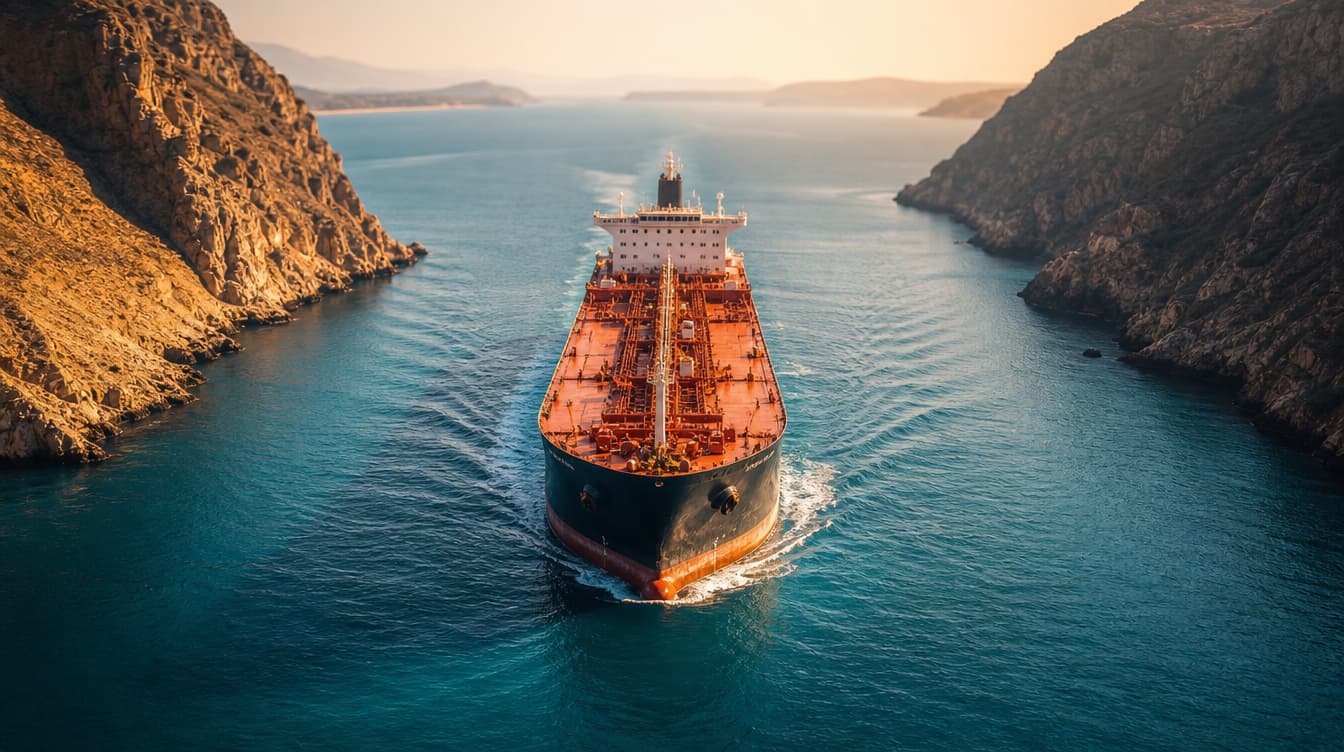
Oil heads for weekly gain amid Middle East supply risks

- Oil prices remained higher for the week as U.S.-Iran tensions disrupted shipping through the Strait of Hormuz.
- Brent crude fell 0.9% to $75.62 a barrel, while WTI crude dropped 0.9% to $71.44.
- Markets continued tracking potential supply risks after reduced tanker activity through a key energy route.
Oil prices declined on Friday but remained on track for weekly gains after renewed U.S.-Iran military tensions disrupted shipping through the Strait of Hormuz, raising concerns about possible energy supply interruptions.
Brent crude futures were set for a weekly increase of about 5%, while U.S. West Texas Intermediate (WTI) crude was expected to gain about 4% after prices rose earlier in the week.
“Prices have backed off the midweek highs, but there is still a substantial risk premium as Hormuz transits are back to a near-standstill with no clear signs of when normal reopening might resume,” said Vandana Hari, founder and chief executive of Vanda Insights.
Brent futures fell 68 cents, or 0.9%, to $75.62 a barrel by 0817 GMT, while WTI crude dropped 64 cents, or 0.9%, to $71.44, as markets assessed reduced shipping activity and the potential impact on global supply.
The decline in prices followed reports of no new U.S. strikes on Iran overnight, although analysts said limited flows through the Strait of Hormuz continued supporting oil prices.
The International Energy Agency said the escalation could affect its forecast of a significant oil market surplus next year, while the Strait of Hormuz previously carried about 20% of global oil and gas supplies before the conflict began on February 28.
Tanker traffic through the waterway slowed significantly as vessel operators assessed risks after Iran reportedly struck a Qatari LNG vessel near Oman, while U.S. President Donald Trump said he expected any renewed conflict to end quickly and analysts noted that avoiding attacks on Iranian energy infrastructure provided some market support.
