
Oil prices surge as Middle East tensions escalate, Strait of Hormuz risks mount

Global oil markets faced heightened volatility on Monday as investors reacted to an escalation in regional conflict.
Brent crude futures jumped $4.42, or 4.47%, to trade at $97.15 a barrel by 06:09 GMT, while U.S. West Texas Intermediate (WTI) crude climbed $4.07, or 4.50%, to $94.61 per barrel.
The surge followed a series of retaliatory strikes between Israel and Iran.
The Israeli military confirmed it hit a petrochemical complex in the southwestern Iranian city of Mahshahr, marking the first strike on Iranian energy infrastructure since an April 8 ceasefire was implemented.
The conflict has been further strained by ongoing military activities in Lebanon and reports of missiles fired from Yemen, widening the theater of hostilities.
The renewed violence has effectively eroded investor optimism regarding a potential resolution to the broader regional war.
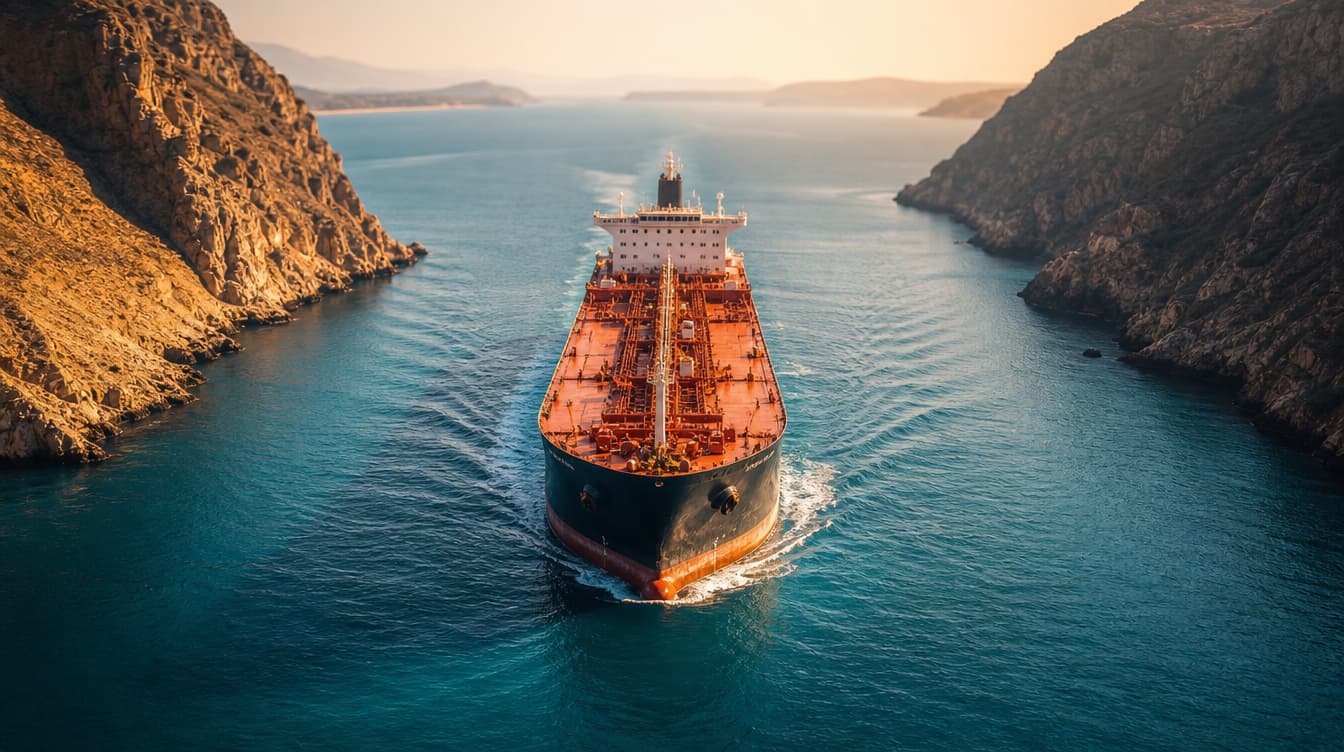
Markets are particularly focused on the status of the Strait of Hormuz, a critical energy chokepoint through which approximately one-fifth of global oil and liquefied natural gas (LNG) traditionally transits.
In a move that has further unsettled energy traders, the Iranian ambassador to Moscow, Kazem Jalali, suggested in an interview that the Strait would remain open only under new conditions—potentially including transit fees—to be determined by Iranian and Omani authorities.
Despite the intensity of the latest strikes, high-level diplomatic efforts remain underway.
Reports indicate that U.S. President Donald Trump has been in communication with Israeli Prime Minister Benjamin Netanyahu, reportedly urging restraint to prevent a total collapse of regional stability.
OPEC+ announced a fourth consecutive monthly output increase on Sunday in an attempt to address the tightening supply environment.
However, analysts remain skeptical of the move's immediate efficacy, noting that many member nations are currently unable to meet their production targets due to the ongoing closure of the Strait of Hormuz and infrastructure damage, particularly within Russia.
Monday’s gains have fully erased the losses recorded on Friday, when prices dipped on hopes of a de-escalation.
Since the onset of the conflict in late February, oil prices have climbed nearly 60%, though they currently remain below the March peaks when Brent crude touched approximately $120 per barrel.
