
United StatesBreaking News

Bloomberg

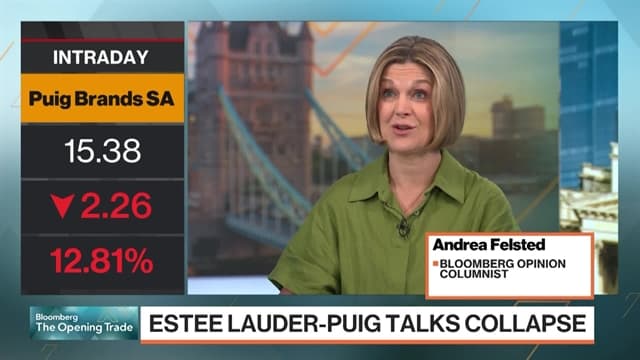
Estee Lauder-Puig Talks Collapse

The proposed multibillion-dollar tie-up between Puig and Estee Lauder fell apart due to makeup artist Charlotte Tilbury's demands regarding her compensation in the deal, according to people familiar with the matter. The news caught investors by surprise given discussions between the two had been progressing since March. Bloomberg Opinion's Andrea Felsted has more. Her opinions are her own.

Read more
Bloomberg

Vuchot on Why Luxury Travel Is Resilient in Asia

Luxury hospitality is proving resilient despite geopolitical risk, fuel shortages and market volatility. This segment examines how travel demand is shifting within Asia, with domestic and regional travel supporting occupancy and pricing. Benjamin Vuchot, CEO of The Hongkong and Shanghai Hotels, speaks with Haslinda Amin from the JPMorgan Global China Summit in Shanghai to discuss demand trends, operational challenges and the group's strategic priorities.

Read more
Bloomberg

AI Capex Drives Memory Demand and Asia Tech Outlook

Rising investment in artificial intelligence is reshaping demand for semiconductors, with memory, CPUs and GPUs all seeing sustained growth. This segment examines how AI-driven capex is supporting companies across Asia's tech supply chain. Jonathan Curtis, Portfolio Manager at Franklin Templeton, speaks with Haslinda Amin from the JPMorgan Global China Summit in Shanghai to share his outlook on AI, memory markets and global equities.

Read more
Bloomberg

Samsung Foundry Partner SemiFive CEO on Earnings

Brandon Cho, Co-founder and CEO of custom AI semiconductor designer, SemiFive, discusses the company's 137-percent year on year surge in revenue in its first earnings release since listing on the Kosdaq in December. The Seoul based company says AI demand has driven production bookings up to 74-percent in the first quarter alone. He speaks exclusively with Haidi Stroud Watts on "Bloomberg: The Asia Trade".

Read more
Bloomberg

US Races to Create Domestic Rare Earths Supply

Tripp Hornick, principal at Quince Street Strategy, said that the US allowed the mining and manufacturing of rare earth elements to be pushed overseas because investors felt it was too expensive and 'dirty' to back. Now, the US is facing the consequences of moving that supply chain process overseas, as the US and other world powers race to build a system that is not reliant on China for minerals that are key to national security.

Read more