BP explores historic North Sea exit as UK tax burden hits 78%

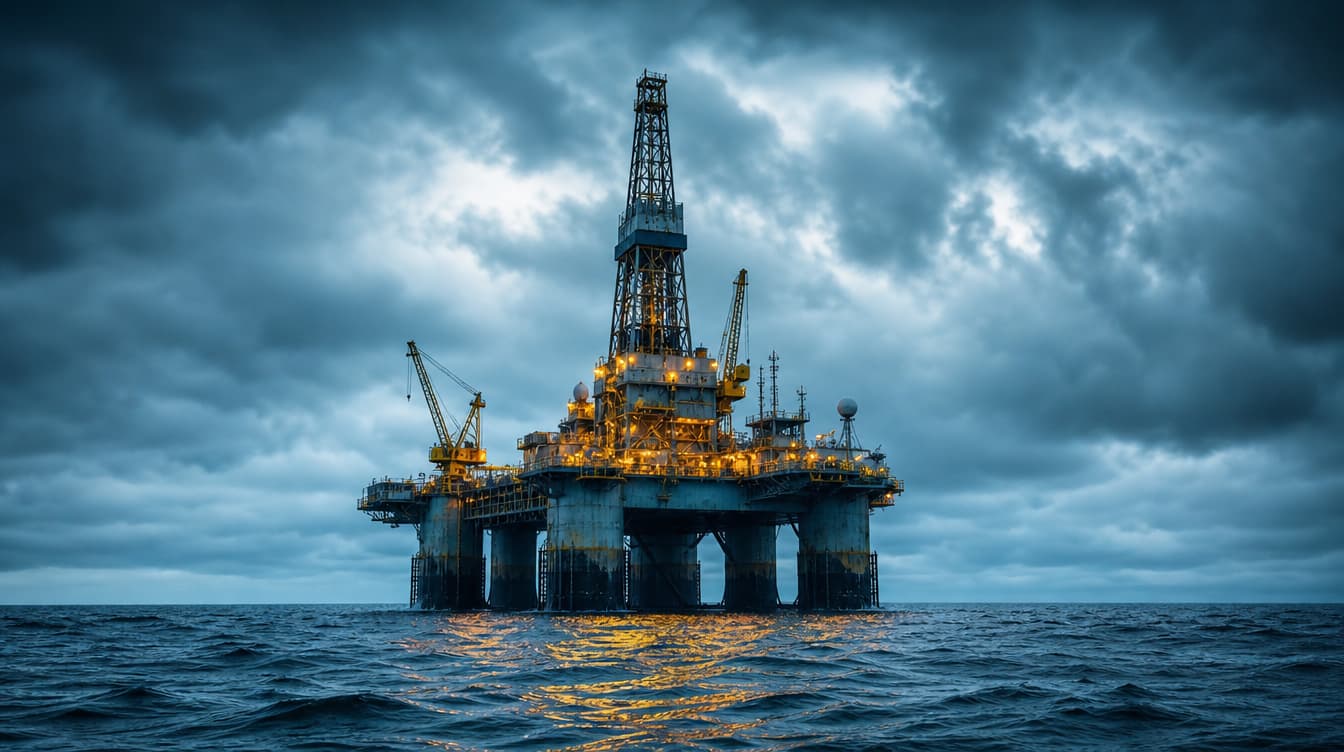
BP (NYSE:BP) is weighing a total departure from the UK North Sea after more than 60 years of operation, following an aggressive series of tax hikes by the Labour government that have drastically shifted the economic viability of mature oil and gas basins.
The £80 billion energy giant recently engaged in advanced, late-stage negotiations to sell its entire UK offshore portfolio to independent rival Ithaca Energy in a deal valued at nearly £2 billion ($2.7 billion).
While those discussions stalled in recent weeks, industry sources confirm that BP continues to explore strategic alternatives and remains open to pursuing a transaction with other international buyers.
A comprehensive exit by BP would represent the most significant casualty yet of the UK’s tightening fiscal regime for hydrocarbons.
Under Chancellor Rachel Reeves, the Energy Profits Levy—commonly known as the North Sea windfall tax—was recently expanded to fund a £1.8 billion cost-of-living support package.
The overhaul pushed the effective headline tax rate on oil and gas profits to 78%, while simultaneously scrapping a crucial tax rule that allowed operators to offset domestic profits against losses incurred by foreign subsidiaries.
The shifting fiscal environment has drawn heavy criticism from energy executives and regional trade groups.
Offshore Energies UK warned that the North Sea supply chain is losing roughly 1,000 jobs per month as companies aggressively scale back capital expenditure and downsize their workforces.
Energy Secretary Ed Miliband further inflamed tensions earlier this year by describing BP's £2.4 billion first-quarter profit surge—fueled by global trading amid ongoing Middle East conflicts—as "morally and economically wrong" in a social media post that was later deleted.
The sweeping asset review comes under the direction of BP’s newly appointed Chief Executive Officer, Meg O'Neill, who took charge with a mandate to reverse underperformance and streamline the company's global portfolio.
O'Neill has committed to a $20 billion corporate divestment target by 2027 to lower debt and satisfy pressure from activist hedge fund Elliott Investment Management.
During a recent earnings call, O'Neill emphasized that every asset in BP's footprint must prove its long-term strategic value or risk being placed "in someone else's hands."
BP remains one of the largest remaining supermajor operators on the UK Continental Shelf, holding interests across 20 to 25 producing fields, including a core 45% stake in the massive Clair Field west of Shetland.
However, its UK operations account for roughly 120,000 barrels of oil equivalent per day, representing a modest fraction of its 2.3 million barrels of daily global production.
The company has steadily shrunk its regional footprint over the last decade, selling off pieces like the Shearwater field and the Forties pipeline system, while peers like Shell have consolidated their assets into joint ventures to mitigate exposure to the UK's demanding regulatory landscape.