
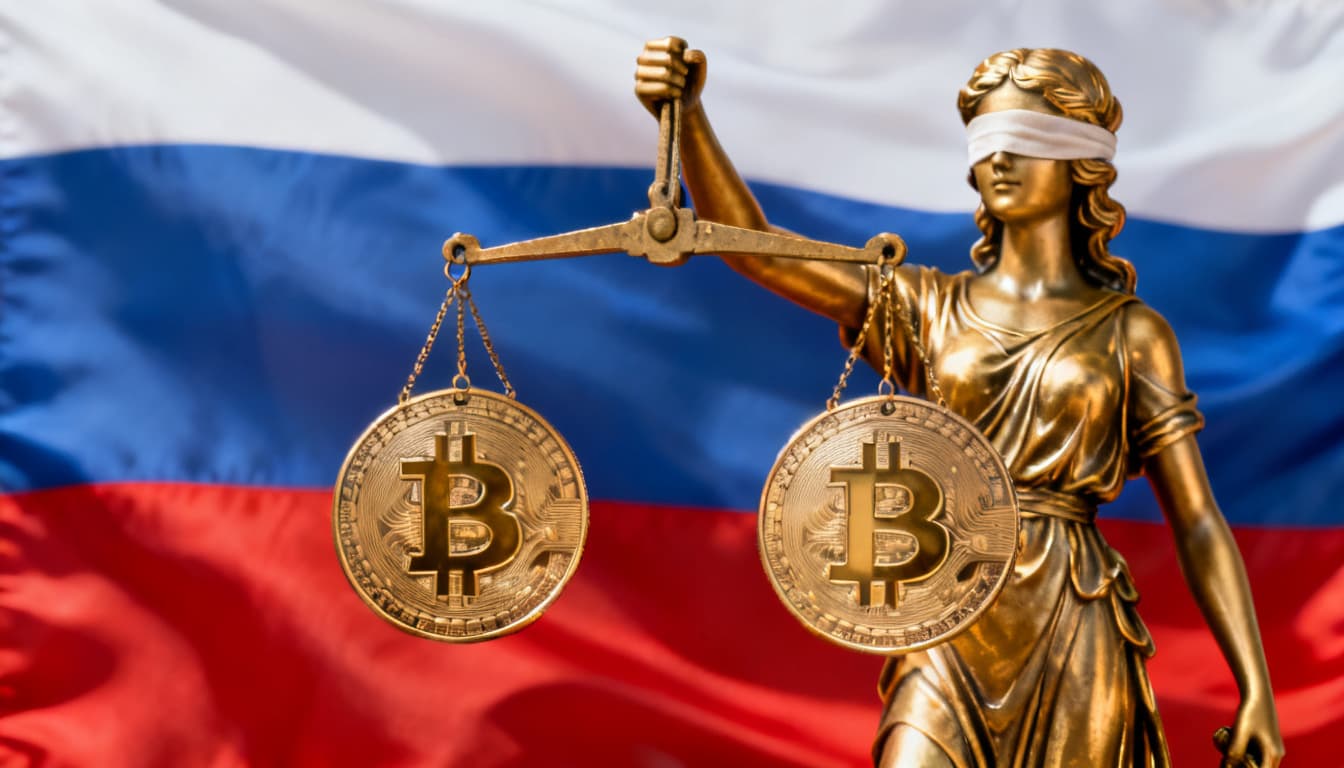
Russia-linked crypto networks raise UK security concerns

- A growing debate in the UK is focusing on how cryptocurrency can be used to fund sabotage, sanctions evasion and other hostile-state activities.
- Recent investigations into alleged Russia-linked operations have highlighted the use of encrypted messaging apps and cryptocurrency payments.
- Security experts and policymakers are calling for stronger monitoring of crypto infrastructure linked to sanctions evasion networks.
Cryptocurrency and other digital assets have become a focus of UK national security discussions following allegations that cryptocurrency payments were used to facilitate attacks on properties linked to Prime Minister Keir Starmer.
The debate follows investigations into several alleged Russia-linked operations across Europe, including attacks on Ukrainian aid infrastructure and suspected parcel-bomb plots, where prosecutors said some participants were recruited through Telegram and promised payment in cryptocurrency.
“What we see from the private sector today is a recognition that the illegal wildlife trade is both an environmental and a business issue,” said United for Wildlife co-chair David Fein.
The article argues that digital assets are increasingly being used alongside encrypted communications platforms to support sanctions evasion, proxy operations and organised crime activities, although direct state involvement has not been proven in every case cited.
Commentators have pointed to the growth of Russian-linked crypto infrastructure, including the ruble-backed stablecoin A7A5, which they claim has processed more than US$100 billion in transactions during its first year of operation and has been used to facilitate sanctions-evasion activity.
The discussion has prompted calls for stronger enforcement against cryptocurrency exchanges, payment networks and intermediaries alleged to support sanctioned entities, alongside closer cooperation between intelligence agencies, regulators and blockchain analytics firms.
The debate reflects broader concerns about the role of digital assets in modern geopolitical conflicts, as governments increasingly examine how cryptocurrency networks can be used to move funds across borders outside traditional banking channels.