
Quip Network targets $20B quantum risk

- Postquant Labs launched Quip Network, a decentralised protocol designed to pool idle quantum computing resources.
- The company said the network could help protect up to US$20 billion in blockchain assets from future quantum computing threats.
- Quip Network plans to combine quantum security tools, a computing marketplace and blockchain-based risk monitoring.
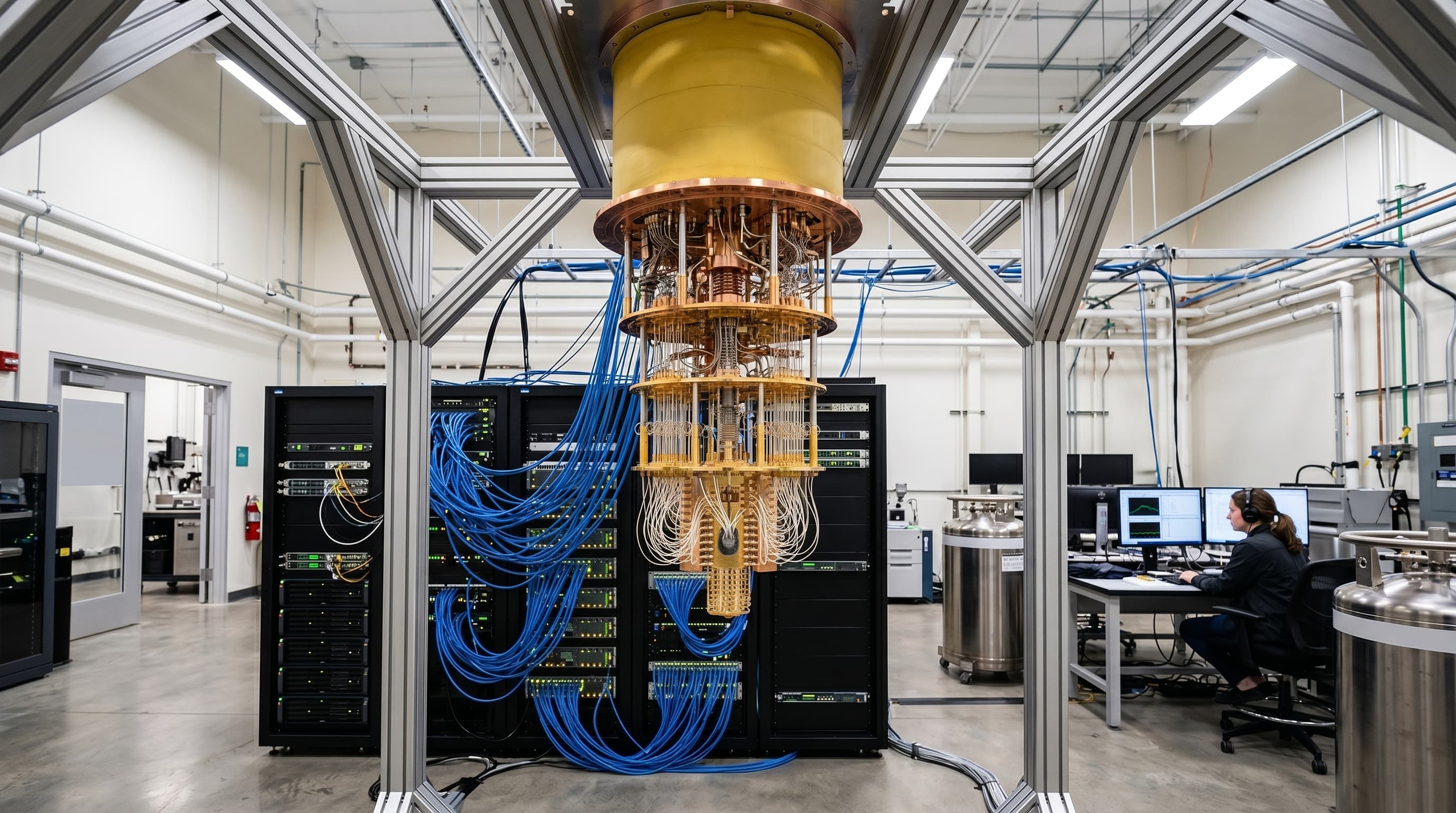
Postquant Labs has launched Quip Network, a decentralised protocol that pools unused quantum computing capacity and is designed to help secure up to US$20 billion in blockchain assets against future quantum-related security risks.
The launch comes as government agencies, including the United States National Security Agency, push organisations to adopt quantum-resistant cryptographic standards before 2027.
“With a quantum processor, if you have 2000 quantum processors and you want to double the power of your system, you only need to find one qubit,” said Postquant Labs Chief Executive Officer Colton Dillion.
The protocol uses a Quantum Virtual Machine and ZX calculus framework to connect different quantum computing architectures, while allowing both classical and quantum machines to compete for rewards through a layered proof-of-work system.
Postquant Labs also plans to launch a marketplace for unused quantum computing resources and a tool to monitor quantum hardware progress, while Dillion stated the company estimates a 10% probability of a cryptographically relevant quantum computer emerging by March 2028.
The network incorporates post-quantum wallet protection through Winternitz One-Time Signatures and is designed to work with existing multi-signature systems without requiring immediate asset migrations.
Postquant Labs said future development plans include an open API, a quantum randomness subnet, a token forge launch expected in July and tools that would allow users to directly purchase and execute quantum computing tasks through the network.