
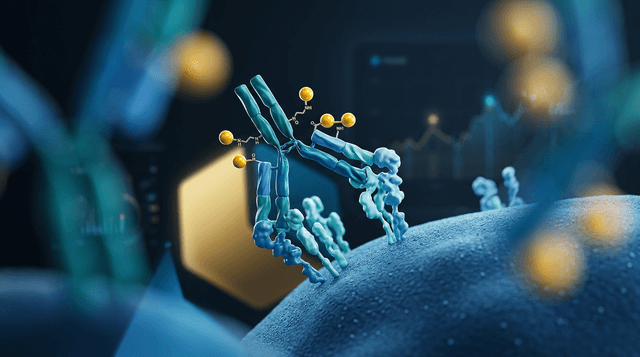

AstraZeneca (NYSE:AZN) and Daiichi Sankyo moved a step closer to a major label expansion for their blockbuster cancer therapy, Enhertu, after the U.S. FDA fast-tracked an application to treat patients with early-stage breast cancer at high risk of recurrence.
The U.S. Food and Drug Administration (FDA) has accepted a supplemental Biologics License Application (sBLA) for Enhertu (fam-trastuzumab deruxtecan-nxki) and granted it Priority Review.
The application seeks approval for adult patients with HER2-positive breast cancer who have residual invasive disease following neoadjuvant (pre-surgery) treatment.
The decision is anchored by data from the pivotal Phase 3 DESTINY-Breast05 trial, which demonstrated that Enhertu significantly outperformed the current standard of care, trastuzumab emtansine (T-DM1).
Results showed that Enhertu reduced the risk of invasive disease recurrence or death by 53%.
At the three-year mark, 92.4% of patients treated with Enhertu remained free of invasive disease, compared to 83.7% for those receiving T-DM1.
The FDA's target action date (PDUFA) is set for July 7, 2026.
The review is also being conducted under Project Orbis, a global framework that allows for concurrent regulatory review across multiple international health authorities.
Beyond the primary endpoint, Enhertu showed a 51% reduction in the risk of distant disease recurrence and a 36% reduction in the risk of brain metastases, a common and devastating complication in HER2-positive cases.
Enhertu is a cornerstone of the multi-billion dollar oncology partnership between AstraZeneca and Daiichi Sankyo.
If approved, this indication would move the antibody-drug conjugate (ADC) into the "curative setting," significantly expanding its addressable patient population.