Corbus Pharmaceuticals tops estimates as obesity and cancer data take center stage

Corbus Pharmaceuticals Holdings (NASDAQ:CRBP) reported a fourth-quarter loss that was narrower than analysts anticipated, bolstered by a significant cash injection and clinical progress in its high-priority obesity and oncology programs.
The Norwood, Massachusetts-based biotech narrowed its adjusted quarterly loss to $1.25 per share, outperforming the $1.78 per share loss expected by Wall Street, even as it ramped up research spending for its lead assets.
Corbus reported a net loss of $20.6 million for the quarter ended December 31, 2025, compared to a loss of $9.5 million in the prior-year period.
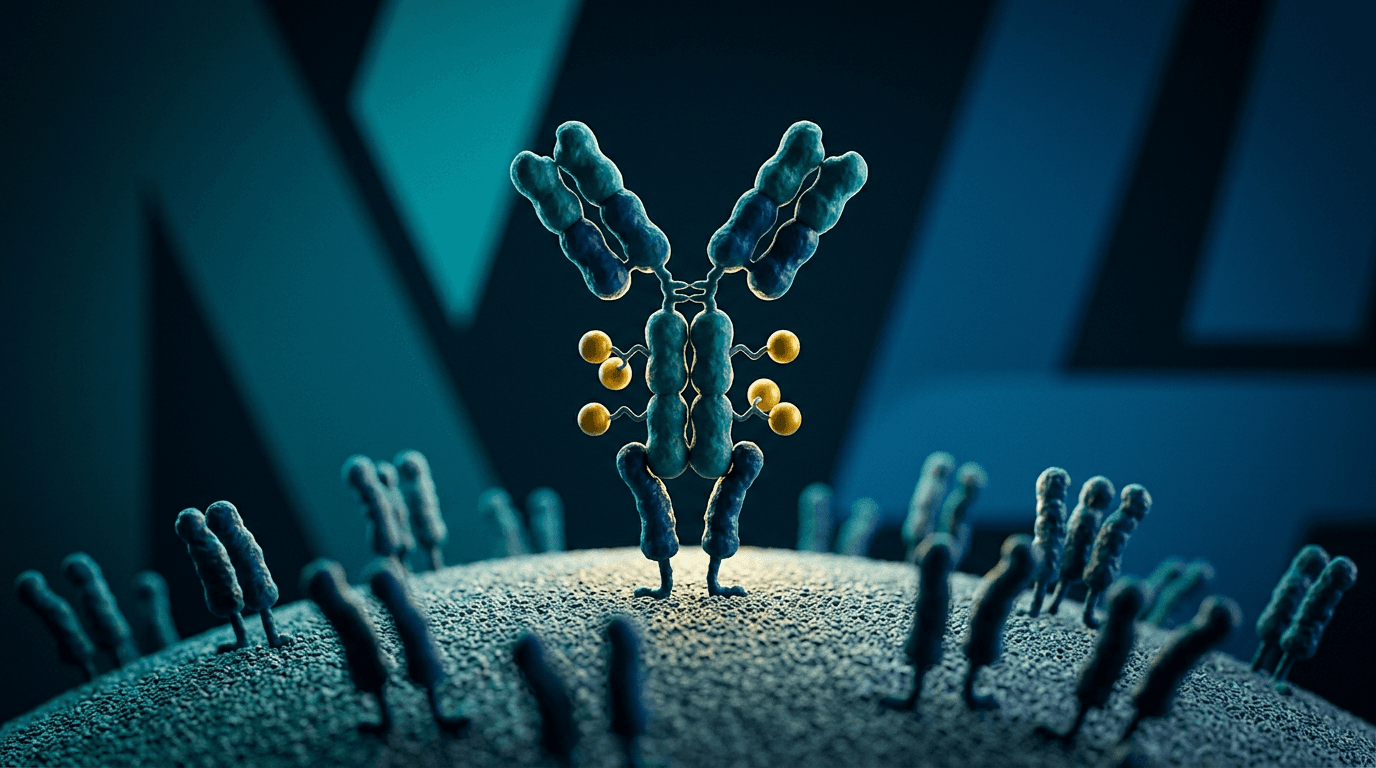
The widening loss reflects an intentional $9.4 million increase in operating expenses, primarily driven by accelerated clinical development for its next-generation antibody-drug conjugate (ADC), CRB-701, and its oral obesity candidate, CRB-913.
For the full year 2025, the company reported a net loss of $78.5 million, or $5.90 per share.
Despite the year-end deficit, Corbus enters 2026 with a substantially bolstered balance sheet.
Following a $75 million public offering in the fourth quarter, the company ended the year with $163.3 million in cash and investments.
Management confirmed this provides a capital runway into 2028, covering several high-impact data readouts.
Meanwhile, clinical momentum is centered on two key catalysts expected this summer.
In its oncology franchise, Corbus is preparing to release durability data for CRB-701 in head and neck squamous cell carcinoma (HNSCC) and cervical cancer.
Early Phase 1/2 results demonstrated objective response rates as high as 47.6% in heavily pre-treated HNSCC patients.
The company expects to initiate registrational studies by mid-2026.
Simultaneously, the firm is advancing CRB-913, a peripherally restricted CB1 inverse agonist for obesity.
Recent 14-day study data showed a 2.9% weight loss with a favorable safety profile, avoiding the neuropsychiatric concerns that hampered earlier drugs in this class.
A larger 12-week Phase 1b study involving 240 patients is currently on schedule to complete in the summer of 2026.