
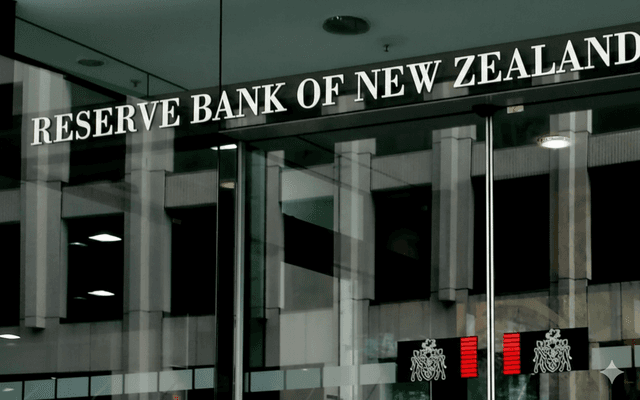

The Monetary Policy Committee of the Reserve Bank of New Zealand elected to hold the official cash rate at 2.25%.
Annual consumer price inflation reached 3.1% in the December 2025 quarter, driven largely by volatile spikes in food, electricity, and local council rates.
Despite this breach of the 1–3% target band, the Committee remains confident that price pressures will retreat toward the 2% midpoint over the next 12 months.
The New Zealand economy is showing signs of a broadening recovery, with GDP rising 1.1% in the September quarter.
Growth is particularly evident in the agricultural sector and manufacturing; however, the committee noted that household spending remains "cautious."
The restraint is fueled by a cooling housing market and an unemployment rate that has climbed to 5.4%.
While the labour market is stabilising, the "significant spare capacity" in the economy is expected to dampen wage growth and help pull inflation back into the target band as early as the March 2026 quarter.
Looking ahead, the RBNZ signaled that monetary policy will remain accommodative for the foreseeable future to support the fragile recovery.
While global uncertainties—including trade barriers and geopolitical tensions—pose risks, the committee expects to gradually "normalise" settings only once inflation falls sustainably.