Why dominant restaurant brands are suddenly sacrificing legacy divisions for cash

- Yum! Brands (NYSE:YUM) entered definitive agreements to sell its Pizza Hut brand to two separate buyers for a combined $2.7 billion.
- The parent company projects $2.3 billion in net proceeds after closing adjustments, driving its share price up to $155.02 following the market announcement.
- Broad market pressures are forcing quick-service operators to shed secondary divisions as corporate boards attempt to maximize shareholder value and establish focused corporate structures.
Yum! Brands (NYSE:YUM)
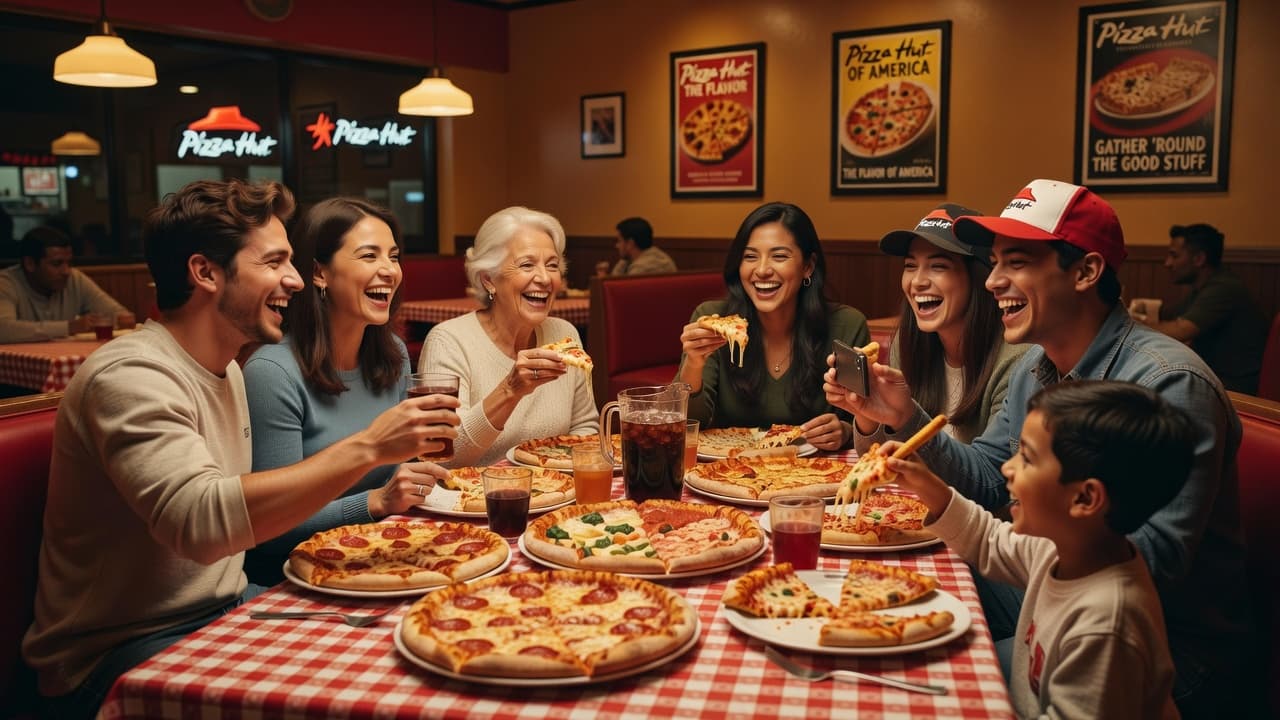
Yum! Brands executed definitive agreements to sell its Pizza Hut division for an aggregate $2.7 billion.
The company expects to receive $2.3 billion in net proceeds after transaction fees.
Management forecasts approximately $85 million in one-time separation expenses during the remainder of 2026.
Following the announcement, shares rose to $155.02.
Yum China (NYSE:YUMC)
Yum China agreed to pay $1.2 billion for the Chinese operations of the Pizza Hut brand.
The entity operates independently from its former parent company.
This acquisition absorbs regional supply chains directly into its localized market portfolio, while LongRange Capital will acquire the remaining ex-China business for $1.5 billion.
Domino's Pizza (NYSE:DPZ)
Domino's Pizza operates a heavily franchised global delivery network, positioning it as the primary industry peer to the divested Pizza Hut brand.
The company drives revenue through centralized supply chain operations and franchisee royalties.
It avoids the operational overhead of corporate-owned store networks.
Restaurant Brands International (NYSE:QSR)
Restaurant Brands International manages a multi-brand portfolio that includes Burger King and Popeyes.
The company utilizes a similar structural model to the pre-divestiture Yum.
It aggregates global fast-food revenues through strict franchise agreements and shared corporate infrastructure.
McDonald's Corporation (NYSE:MCD)
McDonald's Corporation maintains an operational model heavily weighted toward real estate holdings and long-term property leases.
The company generates capital primarily through rent collection and franchise royalties.
It frequently adjusts its global store footprint to defend operating margins against rising labor and commodity costs.
The bottom line
The divestiture of Pizza Hut highlights a clear structural shift in the quick-service restaurant industry.
Parent companies are isolating core assets and liquidating secondary divisions to maximize capital efficiency.
Market participants will monitor how these operators deploy incoming cash reserves as executives prioritize streamlined portfolios over broad market saturation.