TSMC reports record $16.3B profit as AI demand and 2nm launch drive 2026 surge

Taiwan Semiconductor Manufacturing Co. (NYSE:TSM) reported a blockbuster fourth quarter on Thursday, cementing its position as the ultimate gatekeeper of the AI revolution.
The Hsinchu-based foundry posted net income of $16.31 billion, or $3.14 per share, significantly exceeding the $2.82 consensus estimate.
The company closed 2025 with a record annual profit of $55.21 billion on revenue of $122.42 billion.
The results were driven by a relentless "super-cycle" in High-Performance Computing (HPC), which now accounts for approximately 57% of total revenue, as cloud giants and AI chipmakers like Nvidia and AMD continue to consume every available wafer of 3nm and 5nm capacity.
The most significant takeaway for investors was TSMC’s bullish guidance for the first quarter of 2026.
The company expects revenue to land between $34.6 billion and $35.8 billion, a forecast that implies a minimal seasonal slowdown.
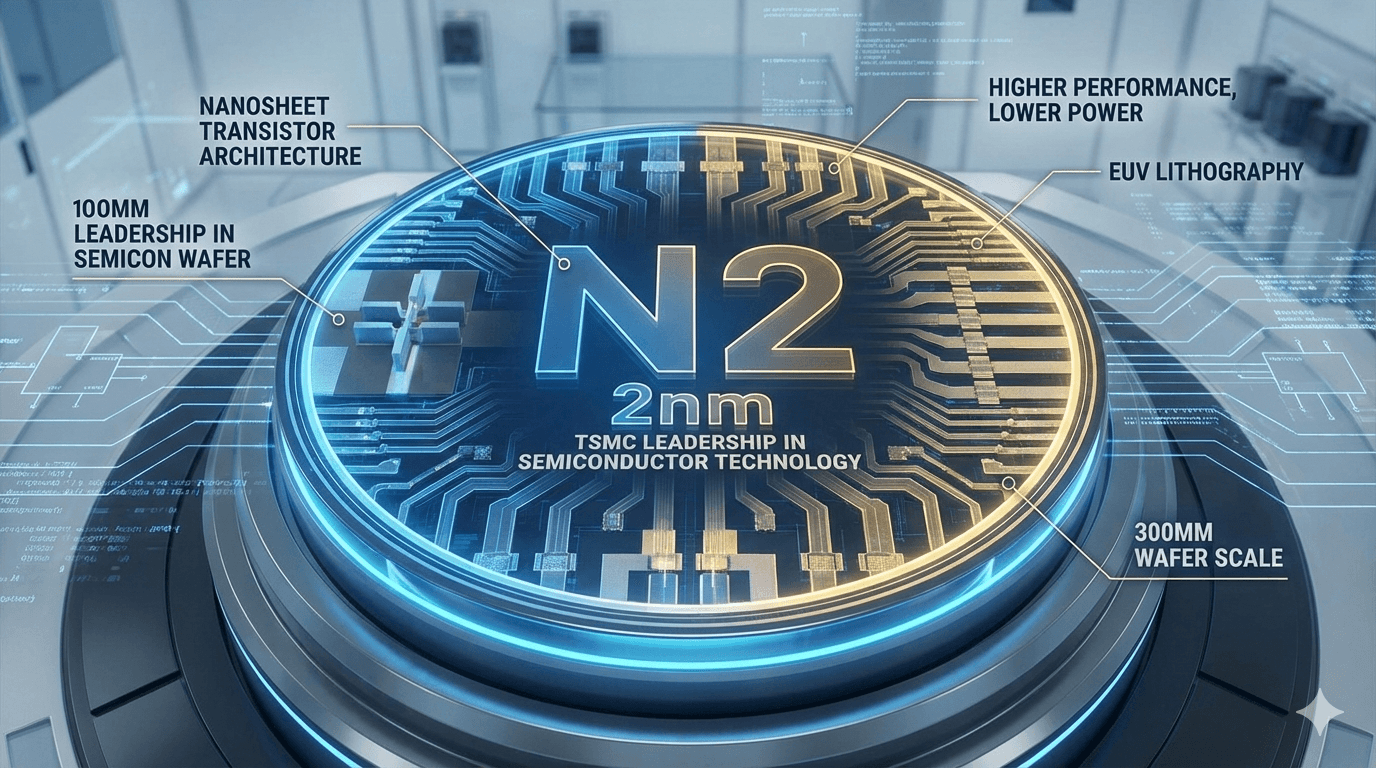
Driving this optimism is the official mass production start of 2nm (N2) technology.
TSMC confirmed that 2nm production launched in Q4 2025 and is expected to contribute to revenue starting in the first half of 2026.
Despite a steep price tag of roughly $30,000 per wafer—a 50% premium over 3nm—Apple has reportedly reserved over 50% of the initial 2nm capacity through 2026 for its upcoming A20 and M5 chipsets.
However, while the financials are strong, TSMC is navigating a complex geopolitical landscape.
The report comes just 24 hours after Beijing reportedly blocked Nvidia's H200 chips from entering China.
Although this creates a short-term hurdle for one of TSMC's largest customers, CEO C.C. Wei noted during the call that global AI demand remains "insatiable" and far outstrips current supply.
TSMC plans to expand its CoWoS capacity by roughly 70% in 2026 to resolve the primary bottleneck for AI accelerators.
Management also confirmed that its Arizona Fab 1 is now achieving yields comparable to its Taiwan facilities, easing concerns about the high costs of overseas manufacturing.
Despite the "Trump tax" and rising tensions in the Taiwan Strait, TSMC's grip on the world's most advanced silicon remains absolute.
Analysts from Goldman Sachs raised their price target following the release, calling TSMC "the most indispensable company in the global tech ecosystem."