Seaport Therapeutics reports positive Phase 1 data for GlyphAgo™ in generalized anxiety disorder

Seaport Therapeutics (NASDAQ:SPTX) announced today positive data from the multiple-ascending dose (MAD) portion of its Phase 1 proof-of-concept clinical trial for GlyphAgo™ (SPT-320).
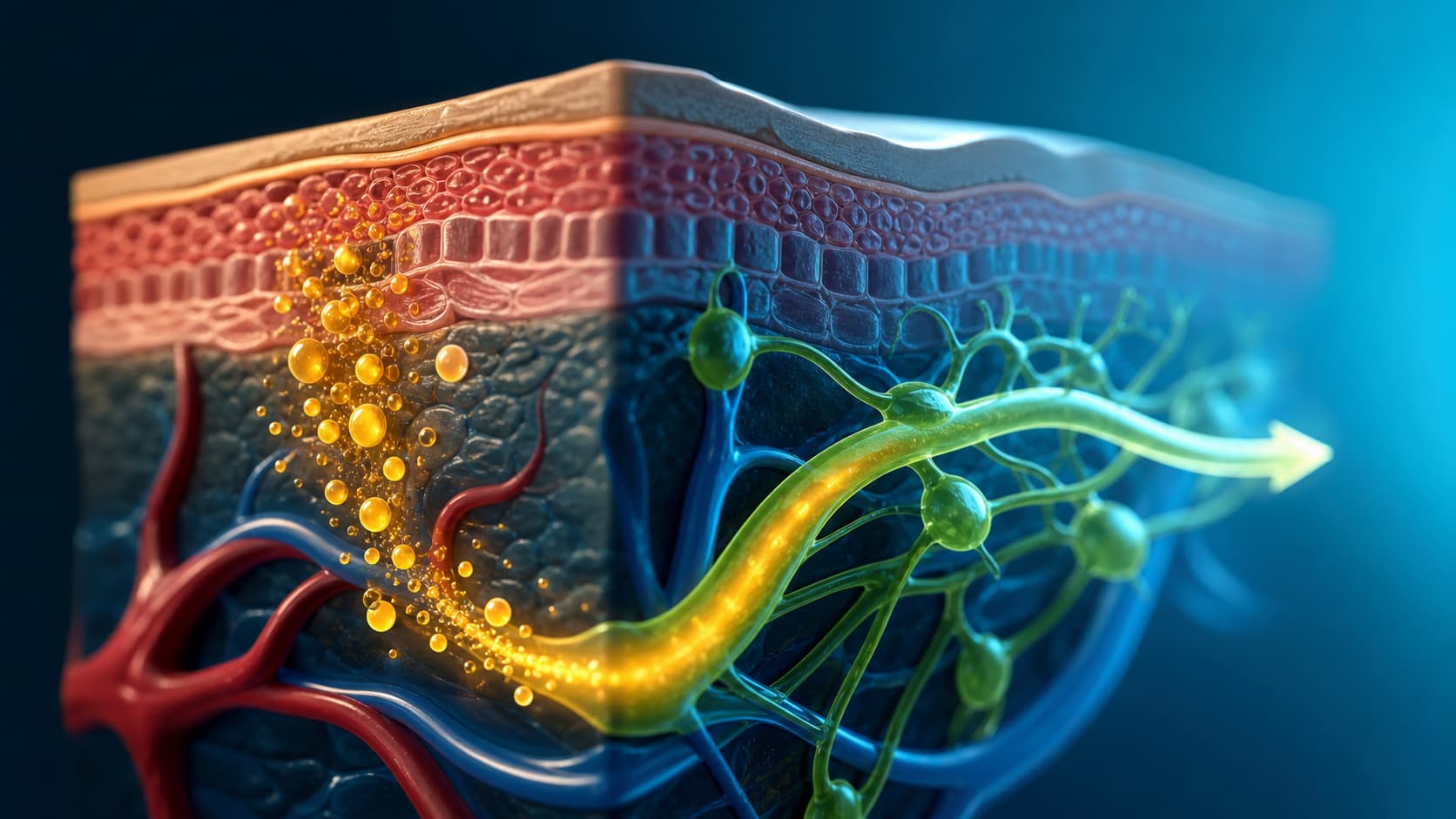
The company’s proprietary Glyph™ platform is designed to improve the delivery of existing neuropsychiatric medications by utilizing lymphatic absorption, which bypasses the liver's first-pass metabolism—a process that historically limits the efficacy and safety profile of many oral therapies.
The MAD portion of the trial evaluated seven-day repeat dosing of GlyphAgo in healthy volunteers.
The data demonstrated that the prodrug achieved therapeutic exposures of agomelatine while significantly reducing liver exposure.
These findings are critical, as they suggest the therapy could avoid the liver enzyme elevations that have long restricted the clinical utility of standard agomelatine, potentially eliminating the need for the frequent liver function testing currently required for such medications.
Across all evaluated dose levels, GlyphAgo was well-tolerated, with no serious or severe adverse events and no clinically significant changes in liver-related laboratory parameters.
These results are consistent with previously reported single-ascending dose (SAD) and crossover data, which showed that GlyphAgo achieved a 6.8-fold increase in bioavailability compared to unmodified agomelatine and demonstrated a 10-fold reduction in pharmacokinetic variability.
Based on this complete Phase 1 data package, Seaport plans to accelerate the clinical development of GlyphAgo through two parallel Phase 2 studies.
The company expects to initiate a Phase 2a proof-of-pharmacology trial in the second half of 2026 to evaluate the drug’s sleep-related benefits in patients with generalized anxiety disorder (GAD), with topline data anticipated in early 2028.
Simultaneously, a Phase 2b registration-enabling trial is scheduled to begin in the first half of 2027, with topline efficacy and safety data expected by the end of 2028.