

The escalating conflict between Iran, Israel, and the US has plunged the $17 trillion global travel industry into a "quagmire" surpassing any disruption since 9/11.
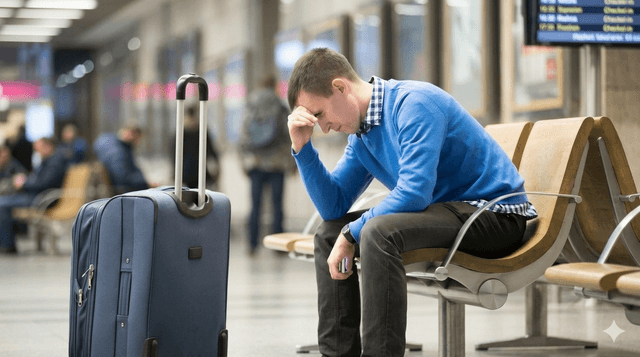
According to aviation data firm Cirium, airspace closures have grounded over 20,000 flights since Saturday, leaving more than a million passengers stranded worldwide.
The crisis intensified as Iran launched retaliatory strikes across the UAE, Qatar, and Jordan, caught the world’s busiest international hub, Dubai International Airport, in the crossfire.
Reports of debris damaging luxury landmarks like the Burj Al Arab and injuring bystanders at Fairmont The Palm have further rattled traveller confidence.
The maritime sector is equally embattled; MSC Cruises has been forced to cancel its winter sailings from Dubai, with the MSC Euribia and its 6,300 passengers currently languishing in port awaiting emergency repatriation.
The Middle Eastern volatility follows a string of 2026 geopolitical shocks, including US military action in Venezuela and cartel violence in Mexico, which had already destabilised tourism in the Caribbean and Puerto Vallarta.
Industry analysts warn that the financial fallout will be severe. Carriers like Qantas are already rerouting long-haul flights to include expensive refuelling stops in Singapore, while inquiries for "cancel for any reason" insurance have surged 18-fold.
With fuel costs climbing and premium travel demand wavering just months before the FIFA World Cup, the industry's early-year hopes for record earnings have been replaced by a desperate scramble for stability.