
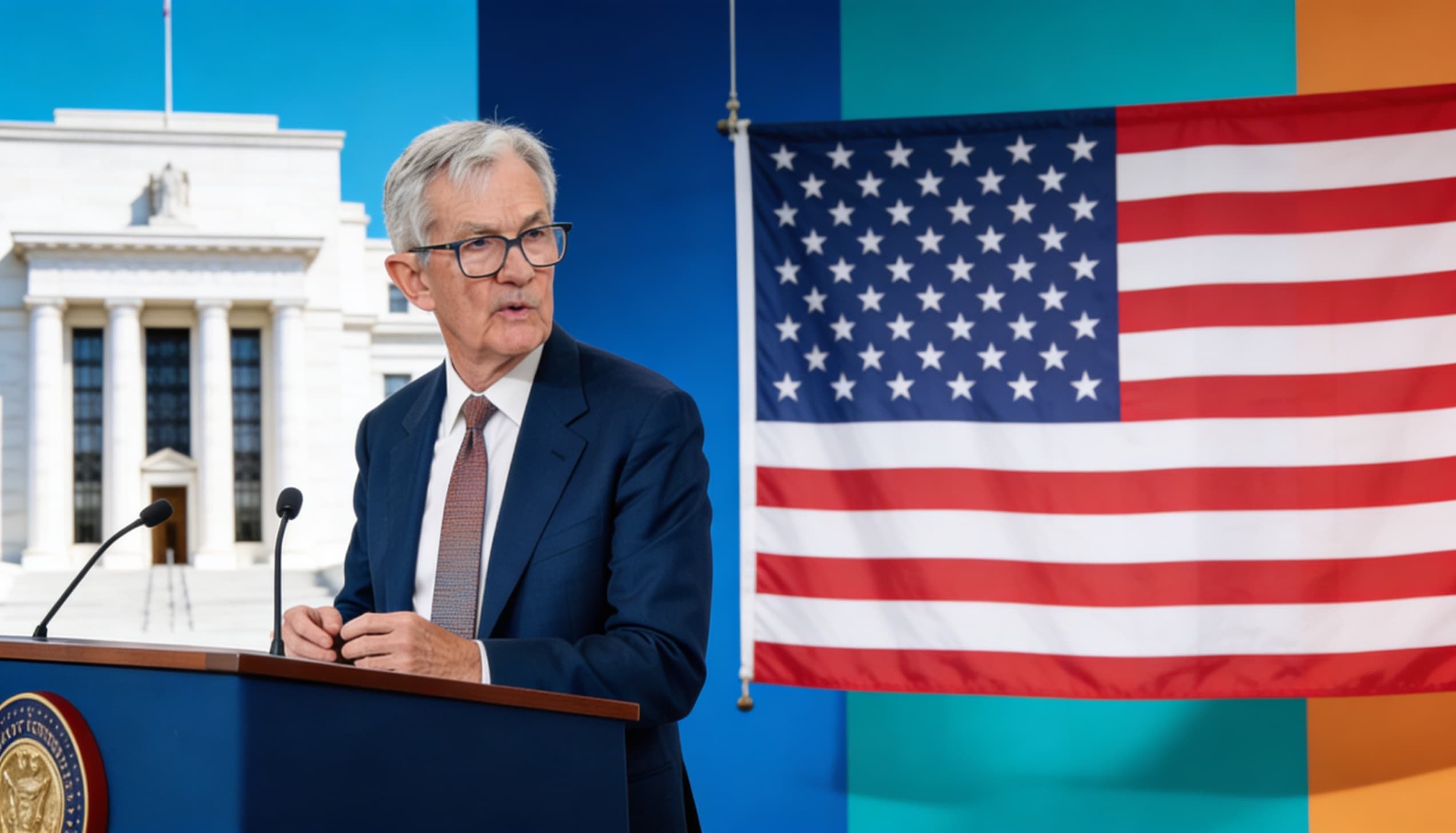
Fractured Fed stands firm on rates as Jerome Powell vows to stay on

The Federal Reserve is currently facing its most significant internal upheaval in over three decades.
In a historic 8-4 vote, the central bank opted to maintain interest rates, marking the most fractured decision since 1992.
This internal friction stems from a complex economic backdrop where surging global energy prices - exacerbated by the ongoing standoff in the Strait of Hormuz - have pushed Brent crude toward $120 per barrel.
While three regional presidents pushed for a firmer stance against inflation by opposing rate-cut signaling, Governor Stephen Miran broke ranks in the opposite direction, advocating for an immediate reduction.
Adding to the institutional drama, outgoing Chair Jerome Powell has upended nearly 80 years of tradition by announcing he will remain on the Board of Governors after his leadership term concludes on May 15.
Defying expectations and direct pressure from the executive branch, Powell characterized his decision as a necessary defense against "legal attacks" that threaten the Fed’s foundational independence.
Although Kevin Warsh has been cleared to succeed him as Chair, Powell’s refusal to fully exit the stage sets up a high-stakes confrontation with the Trump administration.
Powell has pledged to avoid undermining his successor, yet his presence ensures he will remain a formidable guardian of the central bank's autonomy during a period of extreme geopolitical and inflationary volatility.
With markets now pricing out significant rate relief until 2027, the Fed enters this transition period more scrutinized and divided than ever before.