
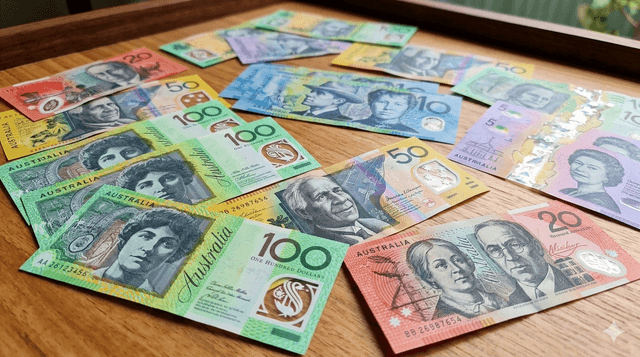

The Australian dollar has demonstrated remarkable resilience on March 3, pivoting from its traditional role as a high-beta risk proxy to benefit from a burgeoning "safe haven" bid.
Currently trading 0.2% firmer at $0.7101, the AUD rebounded from March 2’s lows of $0.7033, underpinned by Australia’s status as a premier energy exporter.
As global oil prices climb, the nation’s abundance of liquefied natural gas and coal provides a strategic buffer that sets it apart from energy-importing peers like Japan and the EU.
The structural advantage saw the Aussie surge to a 35-year peak against the yen (111.78) and hit a one-year high against the euro (0.6076), highlighting a stark divergence in regional economic vulnerabilities.
The currency's upward trajectory is further reinforced by a hawkish shift in domestic monetary policy expectations.
RBA Governor Michele Bullock’s recent signal that the March meeting remains "live" for a potential rate hike caught markets off guard, as many investors had previously earmarked May for the next tightening move.
The proactive stance aims to curb inflation ahead of late-April data, with markets now pricing in a 28% probability of a March increase to the current 3.85% cash rate.
Australian 10-year bond yields have jumped to 4.714%, maintaining a lucrative 68-basis-point premium over US Treasuries.
With GDP growth forecasts trending upwards ahead of March 4’s data, the "Aussie" appears well-supported by a potent combination of energy-driven trade surpluses and widening yield buffers.