Digi Power X net loss widens to $4.7M amid strategic AI pivot

Digi Power X (NASDAQ:DGXX) reported a wider net loss for the first quarter of 2026, reflecting the financial impacts of its ongoing structural transition away from legacy business operations and toward high-density artificial intelligence infrastructure.
The energy and technology infrastructure company posted a net loss of $4.7 million for the three months ended March 31, 2026, compared to a net loss of $1.6 million in the first quarter of 2025.
Total revenue for the quarter declined to $6.8 million from $9.3 million in the prior-year period, a drop management attributed to the deliberate, planned wind-down of its non-core legacy segments.
However, underlying operational efficiency improved, with adjusted EBITDA reversing to a positive $1.1 million from a loss of $1.3 million a year earlier.
The company concluded the first quarter with a robust liquidity profile, reporting $73 million in cash, zero long-term debt, and a working capital surplus of $67.2 million.
Following post-quarter capital adjustments and current operations, Digi Power X reported its liquid asset stack has since expanded to approximately $125 million in cash and $15.0 million in digital assets.
Operationally, the period was marked by significant commercial progression and physical asset buildout.
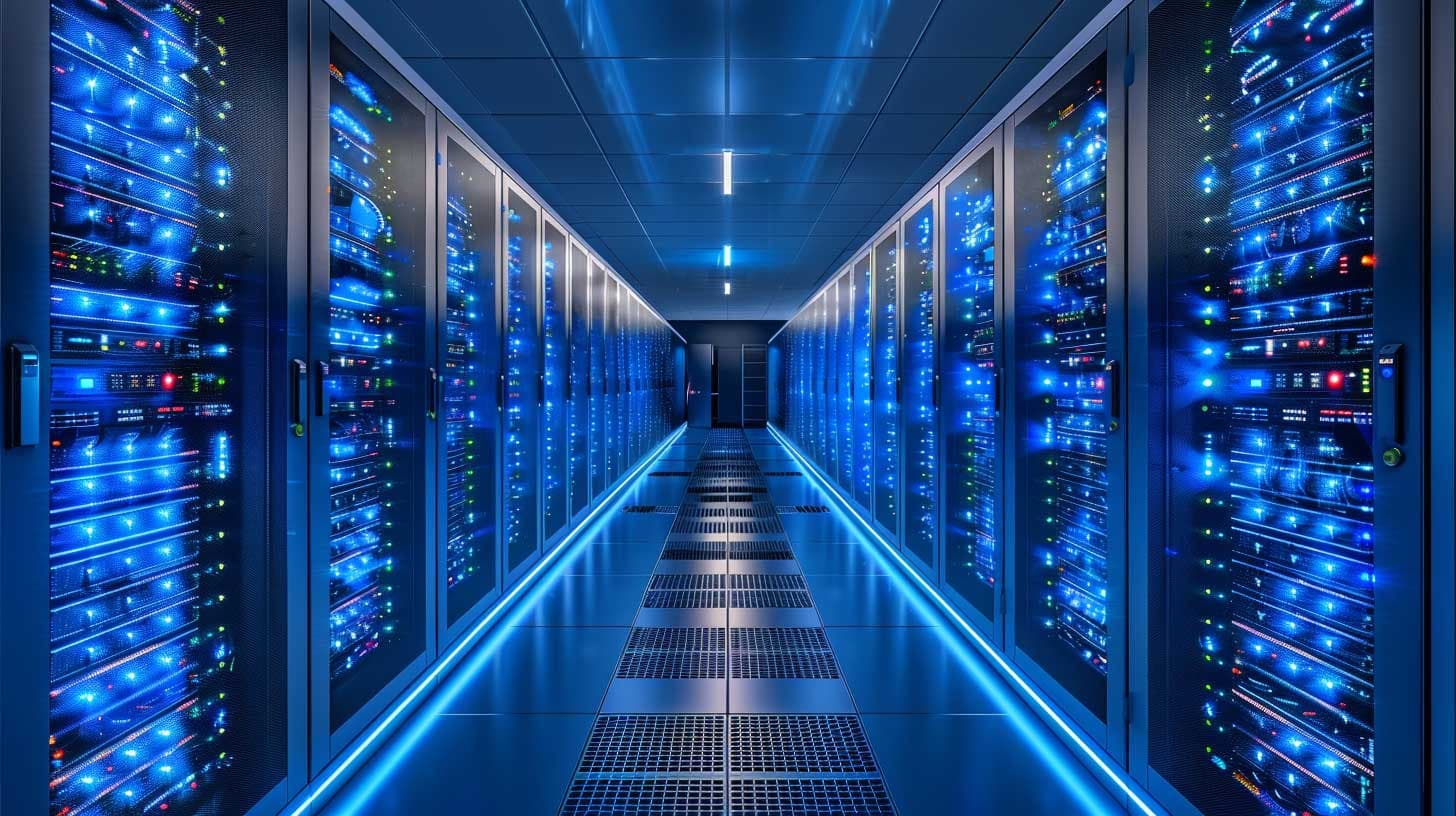
The company executed a 10-year, $1.1 billion AI colocation agreement to provide dedicated data center capacity for next-generation high-density accelerator hardware.
Year-to-date capital expenditures reached approximately $45 million, deployed primarily toward engineering and construction checkpoints at its premier data center facility in Columbiana, Alabama.
The firm also commercially launched its NeoCloudz GPU-as-a-Service platform, recognizing its inaugural recurring AI cloud revenues from high-performance bare-metal infrastructure rentals.
Looking forward, management established formal long-term financial targets, projecting total revenue between $250 million and $300 million in fiscal 2027, driven by the synchronized ramp of its AI colocation contracts, GPU cloud computing allocations, and contract energy sales.