
United Statesvidtvwsw

Bloomberg

FIFA's American Dream: How the World Cup Cashed In

The 2026 World Cup is set to generate more than $11 billion in revenue, making it the richest tournament in football history. But soaring ticket prices, dynamic pricing models, and a booming resale market are raising concerns that many longtime supporters are being priced out. Veteran England fan Andy Milne says attending his tenth World Cup will be by far his most expensive, while former Liverpool CEO Peter Moore argues that FIFA risks sacrificing atmosphere and accessibility in pursuit of record revenues. Former LA28 CEO Kathy Carter counters that the money generated from sports events like the World Cup helps fund growth of the sport worldwide, highlighting the growing tension between commercialization and the fan experience.
Read more
Bloomberg

Why the US Is Investing in Quantum Computing

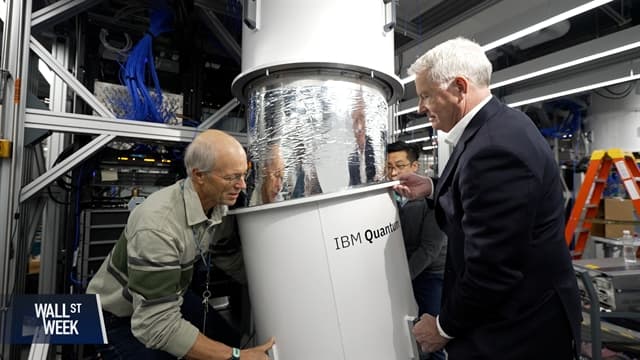
The Trump administration is making another move into venture-style investing, taking equity stakes in nine quantum computing companies. IBM, the largest recipient of the investment, thinks that quantum systems could eventually solve problems involving drug discovery, financial markets, cybersecurity, logistics, and climate science that remain beyond the reach of classical computers. But while companies such as IBM and IonQ claim major breakthroughs are near, former IBM CEO Sam Palmisano questions the government's role in choosing specific corporate winners and warns that commercial adoption may still take years to realize.

Read more
Bloomberg

Can Tech Justify a Trillion-Dollar Valuation?

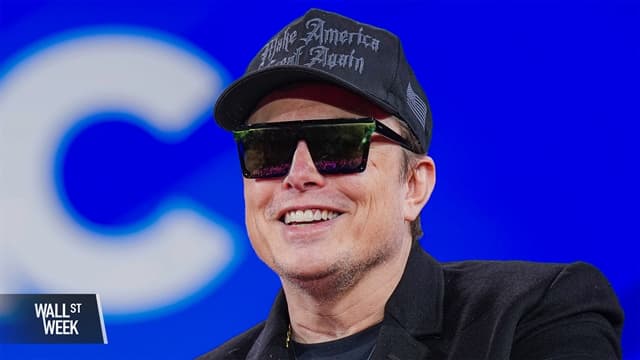
The long-awaited SpaceX IPO tested the limits of modern capital markets, and is expected to be followed by OpenAI and Anthropic. Investor Steve Rattner says the scale of the valuations and fundraising involved is unprecedented, simultaneously reflecting optimism about artificial intelligence and a belief that the technology could transform the economy. The offerings also raise broader questions about concentration in technology and whether retail investors will be able to participate.

Read more
Bloomberg

How Google Is Reinventing Search with AI

Google is making the biggest change to its search business in more than two decades, integrating AI-generated answers, conversational search, and reasoning tools directly into the heart of its search product, which has shaped the course of content and the internet.. Nick Fox, Google's Senior Vice President of Knowledge and Information, argues that AI allows users to ask more complex questions and get faster, more useful answers while still connecting people to content across the web. But, for creators and publishers, fewer keystrokes could make a difference.

Read more
Bloomberg

Why an AI 'Death Spiral' Threatens the Internet

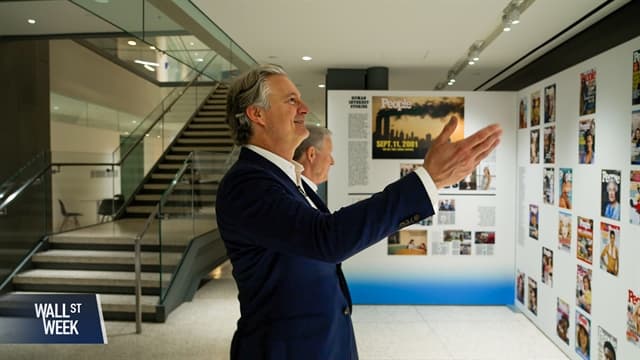
For decades, publishers depended on search engines to send readers to their websites, where advertising helped fund the creation of online content. But the rise of AI-powered search is changing that model. Researchers like Rand Fishkin say "zero-click" searches are increasingly keeping users inside platforms rather than sending them to publishers, while Rutgers professor Caitlin Petre warns that falling traffic could threaten the long-term economics of journalism and content creation. Yet some large publishers are adapting. People Inc. CEO Neil Vogel says his company has offset declining search traffic through brand diversification, social media distribution, licensing agreements, and paid partnerships with AI companies. The broader question is whether the internet can continue producing the content AI depends on if fewer creators are paid for their work.

Read more
Bloomberg

Is the Caribbean the Next Space Race Battleground?

The rapid growth of satellite networks is creating a global race to build the infrastructure needed to get them into orbit. Launch on Demand founder Burton Catledge is developing what could become the first US-owned commercial spaceport in Latin America, betting that demand for launch capacity will surge as the number of satellites in orbit expands dramatically over the coming decade. McKinsey aerospace expert Ryan Burkardt says existing launch infrastructure is already strained. CSIS aerospace specialist Kari Bingen sees more than just demand driving the opportunity: space could become a new frontier of geopolitical competition as China expands its footprint across Latin America.

Read more
Bloomberg

Can a Forgotten Caribbean Town Become a Spaceport?

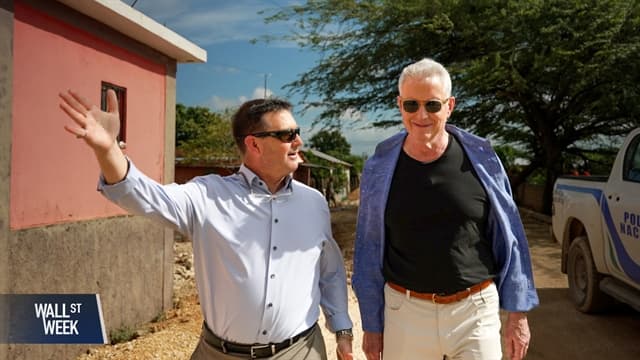
The Dominican Republic's plan to build a commercial spaceport in the small town of Oviedo is about far more than rockets. Launch on Demand founder Burton Catledge says the project could create thousands of jobs, attract new investment, and help diversify the country beyond tourism. Supporters envision a new hub for aerospace, technology, and education, while local residents hope the project can bring opportunities to a region that has long felt overlooked. But before launches begin, developers must build the infrastructure, workforce, and regulatory framework needed to support an entirely new industry. For many in Oviedo, the spaceport represents a chance to put their town, and perhaps the country itself, on the map.

Read more
Bloomberg

The Aluminum Shock Hitting the Global Economy

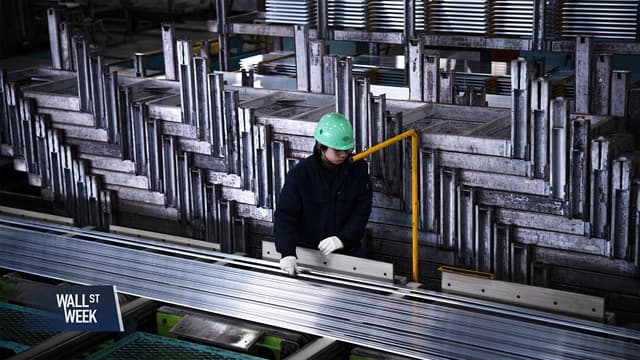
The global aluminum market is being squeezed by two powerful forces at once: conflict in the Middle East and rising US tariffs. Industry executives say disruptions to production and shipping in the Gulf region are removing significant supply from global markets just as tariffs are already pushing prices higher for American buyers. Jean Simard of the Aluminium Association of Canada warns the full impact of blocked shipments and damaged smelters has yet to hit North America, while Norsk Hydro executive Trond Christophersen says Asian markets are facing even greater physical supply risks. For manufacturers like Minnesota-based Wolf Tooth Components, the combination of tariffs, supply disruptions and surging demand from AI data centers is driving costs sharply higher and creating new uncertainty across the aluminum supply chain.

Read more
Bloomberg

How Poland Became Europe's Growth Leader

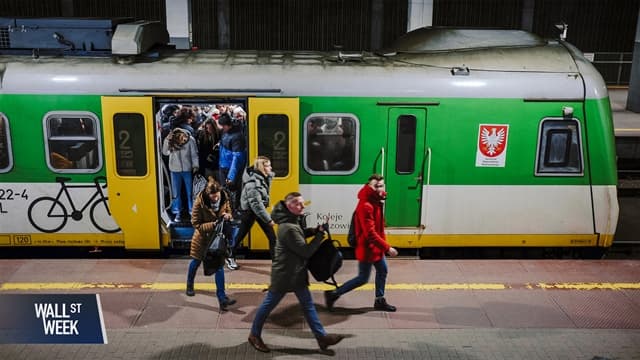
Poland has become one of Europe's standout growth stories, with an economy that crossed $1 trillion and a new generation of entrepreneurs returning home after studying and working abroad. Finance Minister Andrzej Domański points to decades of reform, EU integration, foreign investment and a diversified economy as drivers of Poland's rise, while venture capitalist Aleksandra Pedraszewska says Warsaw's technology scene now offers opportunities that were far less obvious a decade ago. But economists warn that sustaining the boom will require Poland to address large deficits, elevated defense spending, demographic decline and the need for more investment in research, education and innovation.

Read more
Bloomberg

Can AI Grow Without Hurting Local Communities?

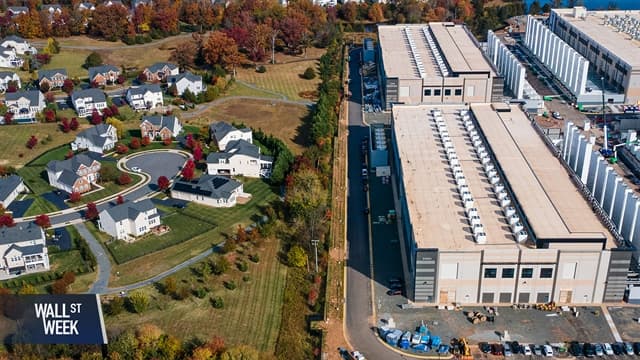
The rush to build AI data centers is drawing trillions of dollars in investment and long-term bets from infrastructure firms such as DigitalBridge. But in communities where those facilities are being built, residents and officials are raising concerns about electricity costs, water use, noise, transparency and who bears the risk if demand falls short. Michigan Attorney General Dana Nessel is challenging approval of a major data center project near Ann Arbor, arguing that ratepayers deserve more transparency about contracts and potential costs. DigitalBridge CEO Marc Ganzi says the industry can navigate the backlash, but only by working with local communities and showing how the benefits outweigh the burdens.

Read more

Grafa is not a financial advisor. You should seek independent, legal, financial, taxation or other advice that relate to your unique circumstances.

Grafa is not liable for any loss caused, whether due to negligence or otherwise arising from the use of or reliance on the information provided directly or indirectly, by use of this platform.