_1389601_640x360_2498188355647-640x360.webp&w=3840&q=75)

Starbucks CEO Says Sales Momentum Is Continuing
Starbucks CEO Brian Niccol says more customers are coming in every day and they saw sales growth in every income cohort during the second quarter. He speaks to Bloomberg's Romaine Bostick.
Starbucks CEO Brian Niccol says more customers are coming in every day and they saw sales growth in every income cohort during the second quarter. He speaks to Bloomberg's Romaine Bostick.
Starbucks Chief Executive Officer Brian Niccol talks about the latest earnings report, improving the mobile order experience, adding new drink options to the menu and making drinks more consistent. He speaks to Bloomberg's Romaine Bostick.
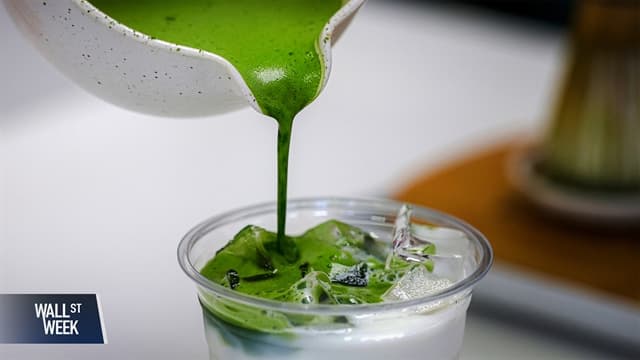
Social media has turned niche foods into global sensations at unprecedented speed, sending demand for products like matcha, ube, acai and Dubai chocolate far beyond their traditional markets. Cornell professor Miguel Gomez says influencers can create demand spikes that supply chains struggle to meet, exposing farmers and producers to volatility and quality risks. In matcha, the surge has been especially intense: Matchaful founder Hannah Habes says demand has accelerated so quickly that shortages and rising prices have become hard to avoid, while retailers like Meadow Lane in New York are now treating sourcing as part of the product itself. As Scarlet Fu reports, viral food trends are reshaping not just what consumers want, but how global supply chains are forced to respond.
_1389625_640x360_2498185283858-640x360.webp&w=3840&q=75)