
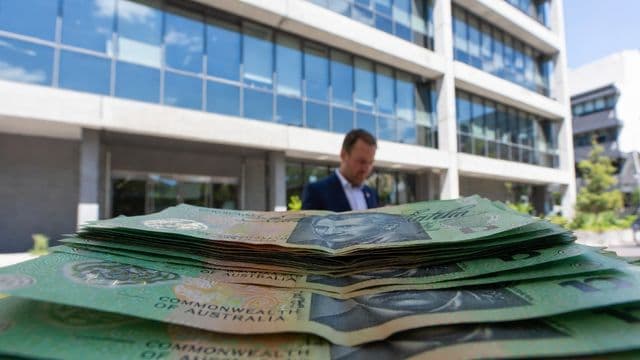

The federal government is facing mounting pressure to overhaul the capital gains tax discount after a new Parliamentary Budget Office analysis revealed the policy is set to drain $247 billion from the budget over the next decade.
The report, commissioned by the Greens, highlights a growing fiscal divide, showing that nearly 90% of the benefit currently flows to the top 20% of income earners, primarily those aged 50 to 69.
The 50% discount, introduced in 1999 to account for inflation, is now under intense scrutiny through a Senate inquiry.
Critics argue the subsidy overwhelmingly favors property speculators over productive investment, with real estate claims doubling those of shares.
Greens Senator Nick McKim labeled the settings a "subsidy for speculation" that locks renters out of the market.
While Treasurer Jim Chalmers acknowledged the "intergenerational challenge" of housing, the government remains cautious.
Economists suggest that while reducing the discount to 25% or 33% might only cool house prices by 1.5% to 2%, the structural shift could be vital.
"The first-time buyer will be more likely to win out against the investor at auction," noted Brendan Coates of the Grattan Institute, suggesting the reform could generate $6.5 billion annually to fund income tax cuts for working-age Australians.
However, some experts, including those from the e61 Institute, argue for a return to pre-1999 inflation-indexed taxing to better protect low-income earners from "bracket creep" during asset sales.