
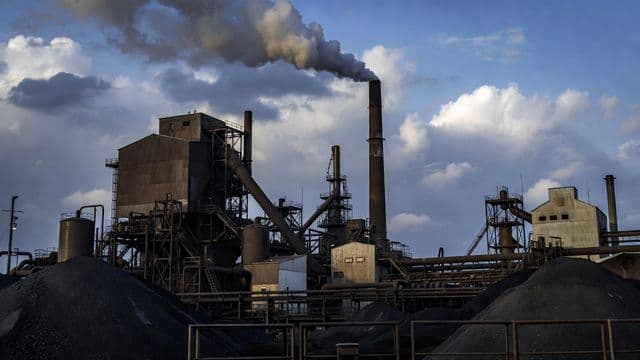

The Albanese government has escalated trade defences by quietly imposing a series of tariffs on Chinese steel exports, a move that threatens to fracture the fragile trade detente between Canberra and Beijing.
Following exhaustive reviews by the Anti-Dumping Commission, Industry Minister Tim Ayres confirmed a new 10% levy on Chinese ceiling frames, citing evidence of unfair government subsidies that undercut Australian manufacturers.
The latest measure bolsters a growing "tariff wall," joining interim duties of up to 113% placed on products like bolts and hot-rolled coil steel.
While Canberra frames the intervention as a necessary shield against global overcapacity and "dumping"—the practice of offloading excess stock at artificially low prices—Beijing has issued a sharp rebuke.
Senior Chinese officials warned that these "trade remedy measures" could jeopardise Australia's multi-billion dollar iron ore exports, which serve as the raw material for the very products now being penalised.
Local industry leaders, including the Australian Steel Institute, argue the protection is vital. They report that a surge in imports has forced some fabricators to slash workforces by 50%.
However, economists warn of a looming "retaliation risk," noting China's history of targeting Australian commodities like barley and lobster during diplomatic disputes.
As Treasurer Jim Chalmers orders further Productivity Commission probes into the industry, the government remains firm.
Ayres maintains that while Australia supports free trade, it will not hesitate to strengthen "trade defences" against practices that distort the domestic market.