

The Australian share market endured its most bruising session in nearly a year on March 9, as a dramatic spike in crude oil prices sent shockwaves through the financial sector and erased more than $138 billion in market value.
The benchmark S&P/ASX 200 dived 2.9% to close at 8,599.00 points, marking the index's steepest one-day decline since the "Liberation Day" tariff shock of April 2025.
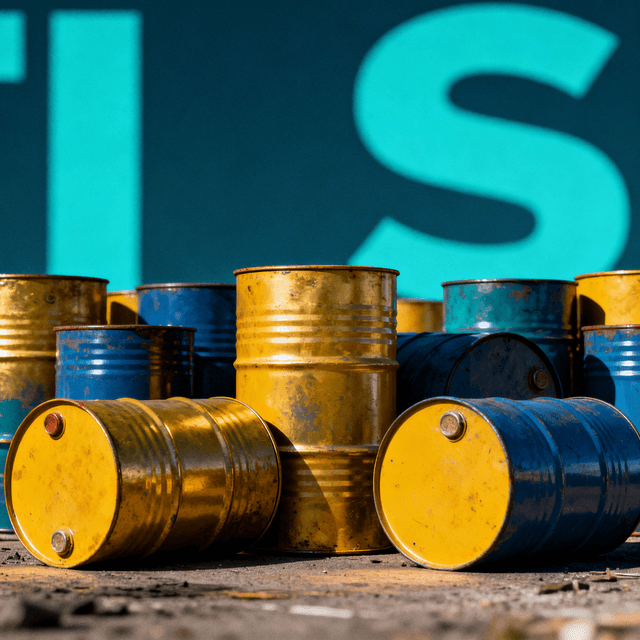
The aggressive sell-off was triggered by escalating conflict in the Middle East, which propelled oil prices up by more than 25% to levels not seen since mid-2022.
The rapid surge in energy costs has reignited fears of a breakout in global inflation, with analysts at National Australia Bank warning that a sustained move toward $100 per barrel could push domestic inflation past the 5% mark—well above the 3.8% recorded in January.
The mining sector bore the brunt of the volatility, sliding 4.8% as heavyweights BHP (ASX:BHP) and Rio Tinto (ASX:RIO) tumbled 5.1% and 3.8% respectively.
Financials also struggled, with the "Big Four" banks shedding up to 2.3%.
Energy stocks provided a rare glimmer of optimism, climbing 1.7% on the back of soaring coal prices.
Market sentiment remains fragile, with experts suggesting that equities will continue to grind lower until a clear path toward regional de-escalation emerges.
Across the Tasman, the NZX 50 mirrored the carnage, retreating 3.1% in its worst performance since early 2025.