
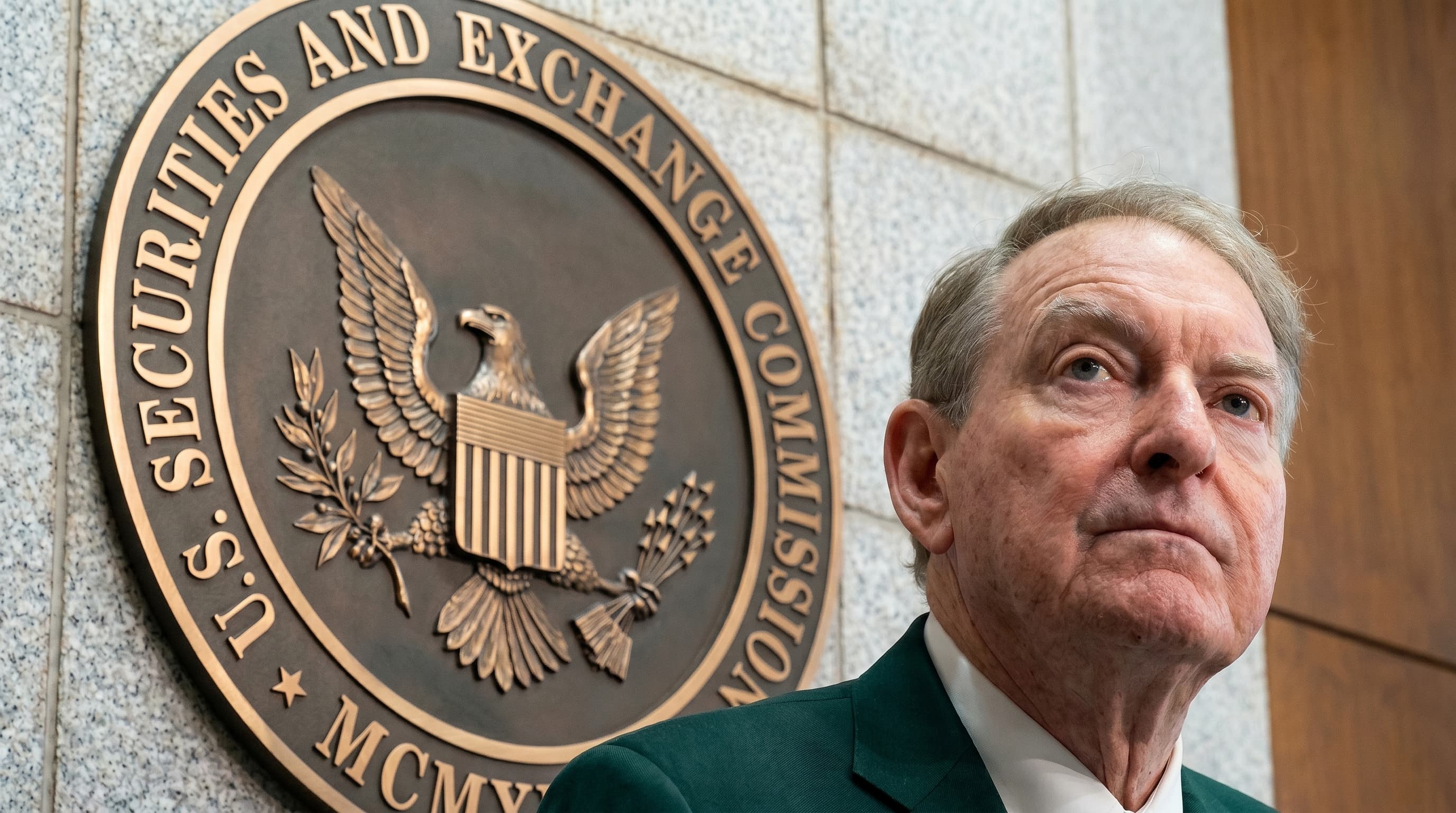
SEC outlines three crypto rule proposals

- The US Securities and Exchange Commission proposed three cryptocurrency-related rule changes as part of its 2026 regulatory agenda.
- The proposals cover crypto broker-dealers, digital assets on trading platforms and potential exemptions or safe harbours for digital assets.
- The SEC said the changes are intended to provide greater regulatory certainty while Congress considers broader cryptocurrency market legislation.
The US Securities and Exchange Commission announced three proposed cryptocurrency rule changes in its 2026 agenda aimed at clarifying regulations for digital assets, trading platforms and crypto broker-dealers.
The proposals come as the US Congress debates cryptocurrency market structure legislation that could transfer much of the industry's oversight from the SEC to the Commodity Futures Trading Commission.
“The proposed rules may provide greater certainty to the market, facilitate capital formation, and accommodate innovation within the crypto asset markets while, at the same time, ensuring that investors are adequately protected and provided with the information they need to make informed investment decisions,” said the SEC.
SEC Chair Paul Atkins said the agenda aligns with the Trump administration's cryptocurrency policy goals, including providing greater clarity around tokenised securities and capital raising using digital assets, while indicating the agency would defer to legislation passed by Congress.
The proposals remain subject to the SEC's rulemaking process as lawmakers continue debating market structure reforms, and following the announcement there was no direct share price reaction because the SEC is a government agency.
The SEC's approach to cryptocurrency regulation under President Donald Trump and Atkins has drawn criticism from some Democratic lawmakers, who argued in January that reduced enforcement could weaken investor protections after several high-profile cases were dropped.
Trump said on Monday that he became involved with cryptocurrency partly for political reasons after previously criticising the sector, having shifted his position during the lead-up to the 2024 US presidential election.