
CLARITY Act faces delay as July 4 crypto deadline slips

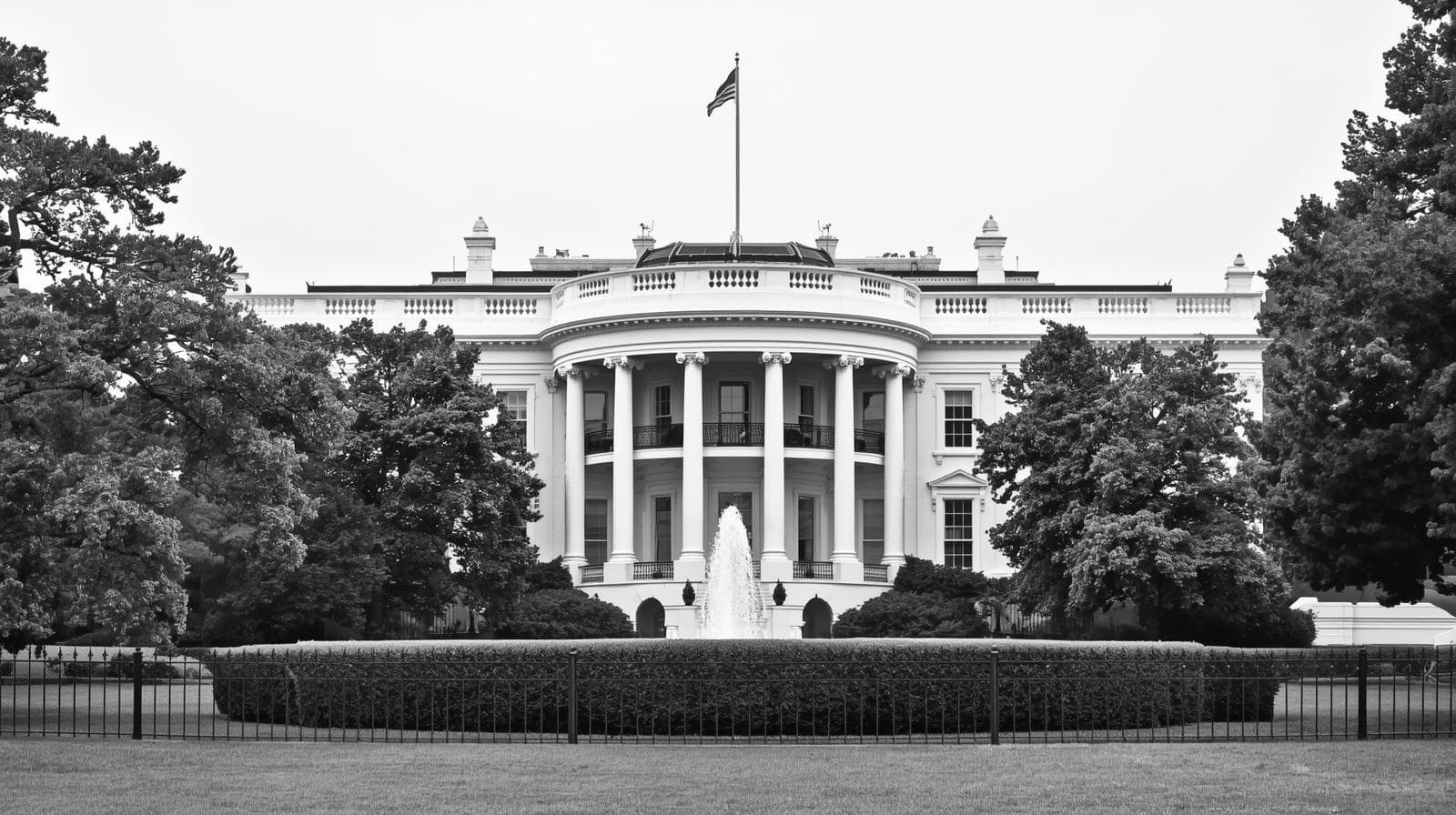
The CLARITY Act is unlikely to reach final passage by 4 July, delaying White House hopes of signing a major US crypto bill on America’s 250th birthday.
The bill had been framed as one of the most important digital asset measures in US history because it aims to define how crypto markets should be regulated.
"Logistically impossible,"
Eleanor Terrett said, referring to the chances of passing the CLARITY Act before the 4 July target date.
The delay is linked to unresolved bipartisan ethics language, differences between the House and Senate versions, and the Senate’s 60-vote threshold for overcoming a filibuster.
The tight timeline has made the target harder to reach, with lawmakers facing only about two weeks to resolve major policy and procedural issues.
The Digital Asset Market Clarity Act seeks to divide oversight responsibilities between the Securities and Exchange Commission and the Commodity Futures Trading Commission.
The proposed framework would help determine which agency regulates specific digital assets and related market activity.
The bill also addresses decentralised finance, stablecoin yields, developer protections and concerns around illicit finance.
Supporters argue that clearer rules could reduce uncertainty for crypto businesses, exchanges, investors and software developers operating in the United States.
The House version of the bill, known as H.R. 3633, passed in July 2025 by a vote of 294 to 134.
The Senate Banking Committee advanced its own version on 14 May 2026 by a vote of 15 to 9.
Those earlier votes showed meaningful support for crypto market structure legislation, but the two chambers still need to reconcile their competing versions.
White House adviser Patrick Witt said in early May 2026 that the administration wanted the bill enacted by 4 July.
The date was intended to align the legislation with America’s 250th anniversary and present the bill as a landmark policy achievement.
The unresolved ethics provisions have become one of the key sticking points as lawmakers try to finalise the package.
Senate floor time has also become a problem, with competing legislative priorities making it harder to move the bill quickly.
The Senate’s filibuster rules mean the measure would need support from at least 60 senators to move forward.
That threshold gives bipartisan negotiations more weight and makes last-minute disagreements harder to overcome.
For investors, the delay means crypto regulatory uncertainty in the United States is likely to continue in the near term.
Stablecoin yield rules remain an important part of the debate because clearer guidance could attract more institutional capital.
DeFi-related protections could also influence whether development teams choose to build in the United States or continue operating overseas.
Investors will now watch whether Senate leaders schedule floor time before the July recess.
Market participants will also monitor whether ethics language talks produce a compromise or create a longer legislative standoff.
The CLARITY Act remains alive, but the 4 July deadline now appears out of reach.