
South Korea confirms 2027 crypto tax rollout
South Korea confirmed plans to implement a 22% tax on cryptocurrency profits from January 1, 2027, ending years of delays and political debate surrounding digital asset taxation.
South Korea confirmed plans to implement a 22% tax on cryptocurrency profits from January 1, 2027, ending years of delays and political debate surrounding digital asset taxation.
The South Korean won accounts for about 30% of global crypto spot trading in 2026, making it the second-largest fiat market after the US dollar, according to Kaiko.

The South Korean won's weakness against the dollar during recent market turmoil may require action to stabilize it, the chief of the nation's largest pension fund said. Kim Sung-joo sat down in Seoul for an interview with Shery Ahn.
South Korea will use extra tax revenue to fund a supplementary budget to cushion households and businesses from surging oil prices triggered by the Iran war, according to the nation's finance minister. "The government's top priority right now is responding to the Middle East situation in the short term, while reducing Korea's structural dependence on oil over the medium to long term," Koo Yun Cheol told Bloomberg's Shery Ahn in Tokyo.
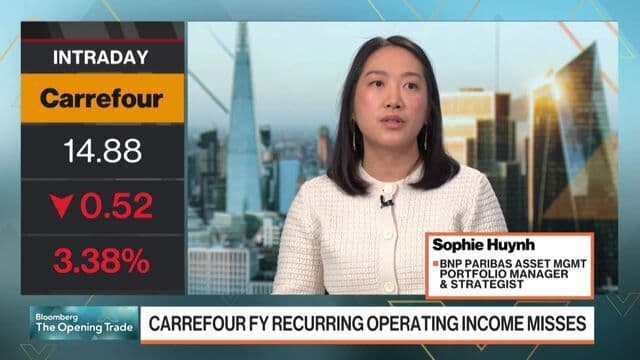
Sophie Huynh, portfolio manager and strategist at BNP Paribas Asset Management, explains why the firm has had a preference for tech hardware over software stocks for over a year. "In terms of hardware, we knew that there was going to be demand for memory," Huynh explains.

_1371289_640x360_2494274115787-640x360.webp&w=3840&q=75)
_1359726_640x360_2491984451863-640x360.webp&w=3840&q=75)