Bitcoin holds above $62K amid Iran tensions
Bitcoin (CRYPTO:BTC) held above US$62,000 as renewed military tensions between the United States and Iran pushed Brent crude up 1% to US$78.80 a barrel, while gold fell for a fourth straight session.
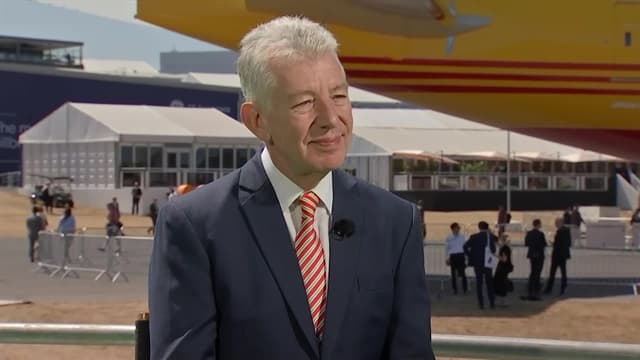
Homayoun Falakshahi, head of crude oil analysis at Kpler, discusses energy markets as investors focus on the next step for peace talks between the US and Iran. He tells Bloomberg Television that should the US manage to sustain its blockade of the Strait of Hormuz for another two months, "Iran's oil revenues will drop to zero." Falakshahi also warns that should the waterway remain closed for another two months, prices for oil could go back to "roughly 120, 125 [dollars a barrel] for Brent."
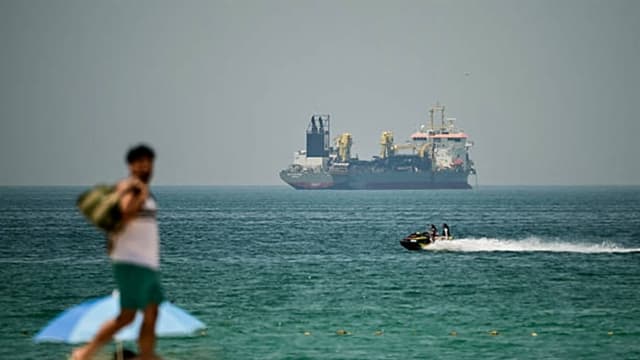
After some optimism on Friday, Iran took control of the Strait of Hormuz again over the weekend. The US also seized a ship and Tehran fired on vessels in the area deepening the global energy crisis. Bloomberg's Julian Lee has the latest.
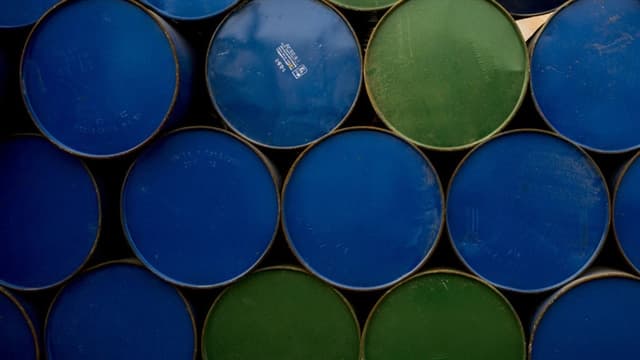
Oil rose a second day after Saudi Arabia said its production capacity has been reduced due to attacks on energy infrastructure, but futures remain on track for their biggest weekly loss since June. According to Saudi Arabia's press agency, the nation's production capacity has been cut by around 600,000 barrels a day. Bloomberg's Anthony di Paola breaks down the situation.
South Africa is better equipped than other emerging markets to withstand the current energy shock from the war in Iran, according to the country's Deputy Finance Minister. David Masondo spoke with Jennifer Zabasajja from the South Africa Investment Conference in Johannesburg.
Oil whipsawed after the Wall Street Journal reported President Trump telling aides he's willing to end the military campaign in Iran even if the crucial Strait of Hormuz remains largely closed. Sasha Foss, Energy Analyst at CSC Commodities Marex spoke to Bloomberg's Horizons Middle East and Africa anchor Joumanna Bercetche on the future of oil prices.
Nadia Martin Wiggen, Svelland Capital director, discusses the impact of the disruption in the Strait of Hormuz on shipping and the broader oil trade. "The market is not believing that we're going to have May-loading barrels," she tells Bloomberg Television.
Attacks on oil and gas infrastructure in the Arabian Gulf have escalated in the past two days. After a rebuke from President Trump, Israel says it will no longer target energy assets after its attack on an Iranian gas field sparked retaliatory strikes, cause oil and gas prices to surge. Crystol Energy Global Advisor, Christof Rühl, says the US is running out of methods to keep the oil price low if the Strait of Hormuz isn't reopened. He spokes to Joumanna Bercetche on Horizons Middle East and Africa.
Iran set a massive natural gas field in the United Arab Emirates ablaze as it steps up attacks on key energy sites. The drone attack on the Shah field, close to the border with Saudi Arabia, marks the first time Iran has damaged an oil or gas upstream facility in the country during the war. Bloomberg's Joumanna Bercetche reports.
Oil prices rose to above $100 a barrel as the conflict in the Middle East continues. Brent spiked as much as 29% to $119.50 a barrel. Prices pared gains after the Financial Times reported that Group of Seven finance ministers will discuss a possible joint release of oil from reserves co-ordinated with the International Energy Agency on Monday. Bloomberg's Stephen Stapczynski breaks down the situation.