
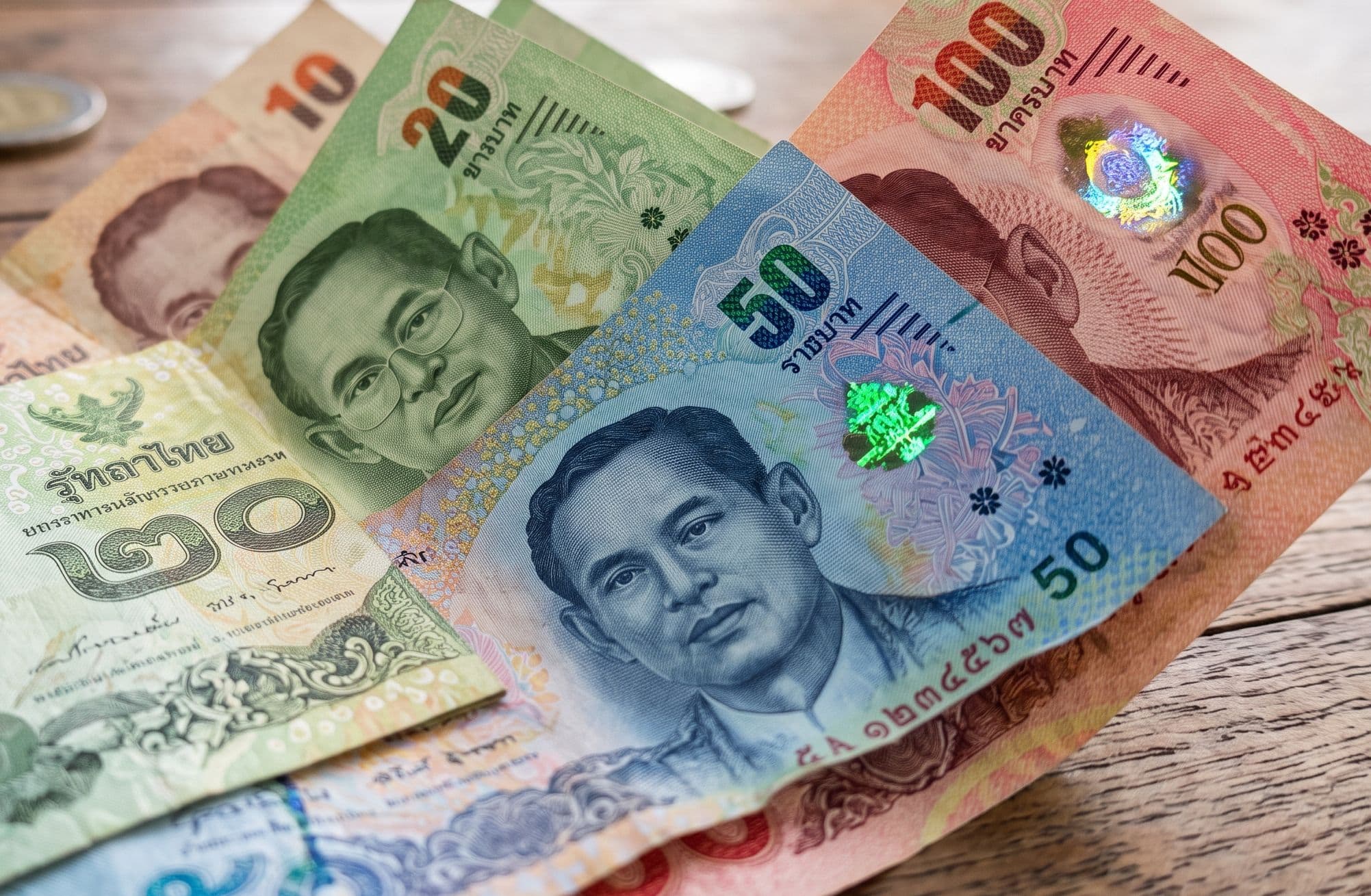
Bank of Thailand proposes 1:1 baht stablecoin

- The Bank of Thailand plans to consult on a 1:1 baht-backed stablecoin that would initially be limited to financial institutions.
- The central bank has suspended about 5,000 Alipay and WeChat Pay accounts as it strengthens enforcement of cross-border payment rules.
- Thailand is combining support for digital asset innovation with stricter oversight of payments, foreign exchange and consumer protection.
The Bank of Thailand plans to launch a public consultation by the end of 2026 on a proposed stablecoin that would be fully backed one-to-one by Thai baht reserves and initially used only by financial institutions for settlements.
The proposal comes as the central bank increases enforcement of cross-border payment rules, having suspended about 5,000 Alipay and WeChat Pay accounts between February 2025 and May 2026 over unauthorised peer-to-peer yuan QR code transfers.
“The central bank’s dual objective is to foster financial technology while maintaining strict control over consumer protection and domestic currency flows,” said Bank of Thailand Governor Vitai Ratanakorn.
The proposed framework requires any approved stablecoin to maintain full one-to-one baht reserves, while payment providers processing unauthorised foreign currency transactions could face fines, licence suspensions or licence revocations, and speculative retail foreign exchange operators remain ineligible for licences.
The Bank of Thailand said broader stablecoin use cases will be considered after the initial rollout to financial institutions, while retail speculative foreign exchange activity will continue to face penalties under the Exchange Control Act, and following the announcement there was no share price reaction because the policy does not involve a listed company.
The central bank also warned that facilitating speculative foreign exchange transactions may carry penalties of up to three years' imprisonment and fines of up to 200,000 baht, while promoting speculative currency trading could attract additional fraud charges.
The proposal reflects Thailand's approach of supporting regulated digital payment innovation while strengthening oversight of cross-border transactions, domestic currency use and financial system integrity.
Frequently asked questions
More from Crypto
Chainlink launches CustodySync for institutional DeFi lending
South Korea weighs education tax on crypto exchanges
RedotPay weighs confidential US IPO filing for year-end
StoneX raises Strive price target to $43
South Korean police arrest seven in AI-powered data theft
Aviva Investors launches tokenised £22 billion liquidity fund