
Government extends fuel excise relief for July
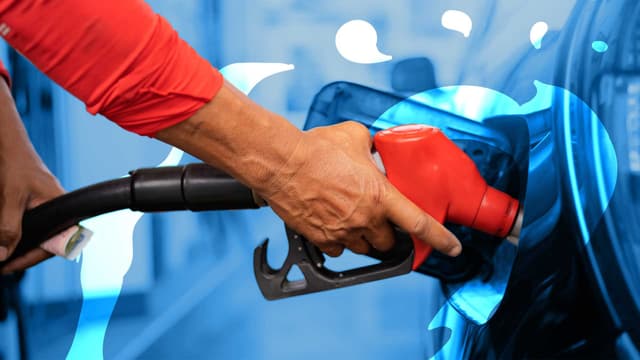
Australia announced a one-month extension to its fuel excise relief, reducing the rate to $0.16 per litre from July 1 to Aug. 2.
Australia announced a one-month extension to its fuel excise relief, reducing the rate to $0.16 per litre from July 1 to Aug. 2.

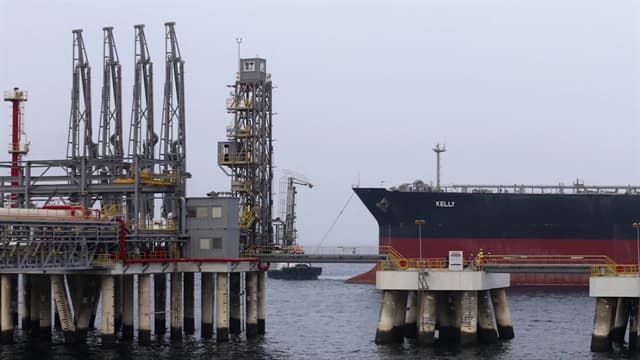
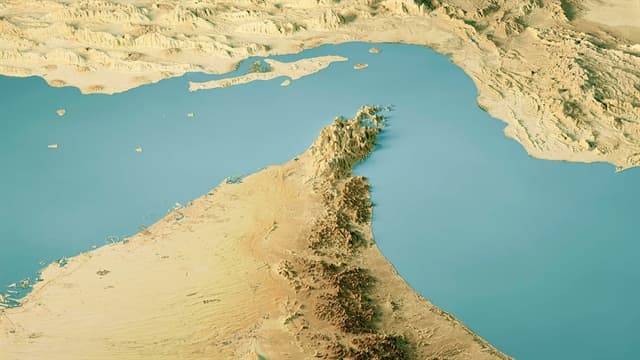
Oil pared gains on a report that the US and Iran have reached a preliminary agreement to extend the ceasefire between the two countries and launch negotiations on the Islamic Republic's nuclear program. The memorandum of understanding would extend the truce by 60 days and states that shipping through the vital Strait of Hormuz would be "unrestricted," without any tolls paid to Iran, but the potential pact still requires President Trump's approval, Axios reported. Trump wants several days to mull over the deal, according to the report. An agreement to extend the truce would represent a diplomatic breakthrough and potentially bring the US and Iran closer to reopening normal maritime traffic through the strait, which usually carries around a fifth of the world's oil and liquefied natural gas supply. For more, we speak with Mike McGlone, Senior Commodity Strategist for Bloomberg Intelligence.
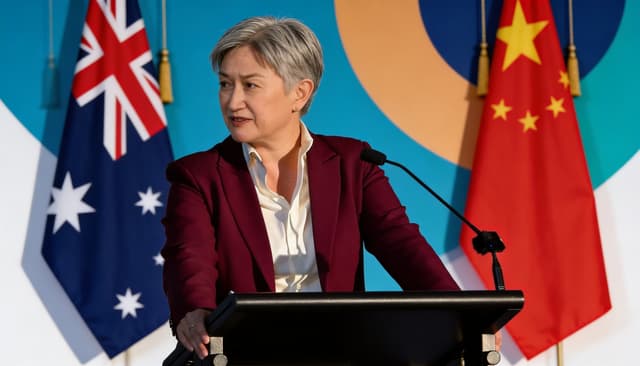
In a strategic bid to fortify national fuel reserves, Foreign Minister Penny Wong recently secured a diplomatic breakthrough during high-level Beijing talks - after the escalating Middle East conflict paralysed the Strait of Hormuz, plunging Australia into a precarious energy crisis.
Australian second-hand electric vehicle sales surged 138% in one month as motorists flee volatile petrol prices.
Prime Minister Anthony Albanese has arrived in Singapore to fortify Australia's fuel security.
Matt Zimmer, global head of investment banking at William Blair, joins Dani Burger and Scarlet Fu on "Bloomberg Deals." They discuss which sectors stand to see a slowdown or acceleration in dealmaking amid global fuel constraints.
Australia has secured critical energy guarantees from major Asian partners to safeguard fuel security.
Some refiners could wait several weeks for oil even after the Strait of Hormuz is fully reopened, keeping up the pressure on prices. Macquarie Group Global Energy Strategist Vikas Dwivedi said in a recent note that oil could hit a record of $200 a barrel if the Iran war drags on. He speaks on Bloomberg Surveillance.
Australia introduces the Treasury Laws Amendment Bill 2026 to double fines for fuel price gouging amid shortages.
New South Wales Premier Chris Minns has issued a "please-explain" to major fuel suppliers as a distribution crisis leaves 105 NSW service stations without diesel and 35 completely dry.